
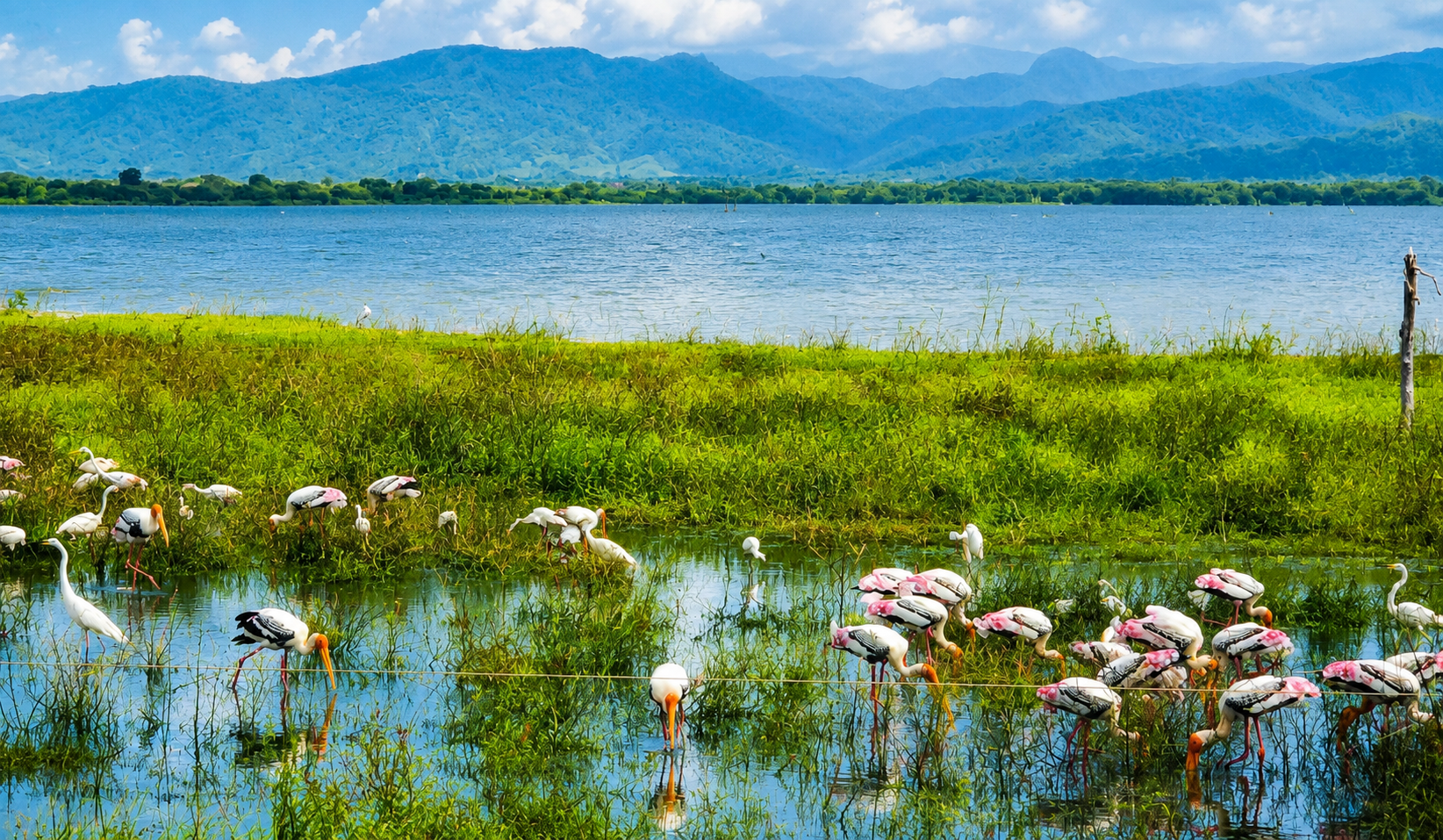


Before the first jeep engine turns, the marsh already speaks — whistling ducks, storks, and the soft splash of feeding herons. Along Udawalawe’s reservoir edge, birdlife writes the morning in sound long before the light is strong enough for photographs.
Rangers and naturalists read that chorus the way trackers read dust: each call, wingbeat, and sudden silence is a clue about water levels, feeding pressure, and the health of the wetland season.
Dawn Chorus
In the cool hour after first light, the shoreline fills with overlapping voices. Resident waterbirds claim familiar roosts while migrants test the shallows. The richest listening often happens in the brief window before jeep traffic reaches the dam.
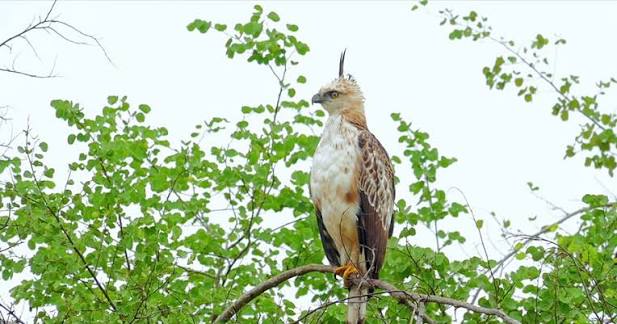
“To understand the marsh, one must first learn to hear what the waterbirds leave unsaid...”
— Field note, Udawalawe Wetlands
Wetland Signals & Seasonal Change
Healthy wetlands sound busy. When calls thin, rangers look to water levels, cattle pressure, and seasonal drying as possible causes. A sudden hush near a feeding bay can mean disturbance — or simply that the birds have moved with the receding shoreline.
The Art of Listening
Field craft here is quieter than pursuit. Naturalists combine binocular scans with careful notes on roost timing, flock size, and species mix. The goal is never to crowd a shoreline for a closer shot — only to understand what the marsh is saying.
Future Horizons
Protecting these melodies means protecting the water margins beyond the main safari loops. Every verified bird record helps shape wetland care that keeps both wildlife and visitor experiences richer for seasons to come.
Enjoying this expedition log?
Get field notes and park updates delivered quietly to your inbox.
Visitor Reflections
12 Reflections
We reached the dam at sunrise and heard the chorus before we saw a single bird — unforgettable. Thank you for explaining why quiet mornings matter.
The tip about the first hour after sunrise should be in every visitor briefing. Excellent wetland field log.