




Park Status
Closed Now
6:00 AM – 6:00 PM

Plan Your Visit
The essential information and experiences to help you plan and make the most of your visit to Udawalawe National Park.
Discover Udawalawe’s incredible wildlife — elephants, birds, crocodiles, and rare species with our field notes.
Explore Wildlife
Check official entrance fees, view live LKR conversion, and find payment information for a smooth park entry.
Check Prices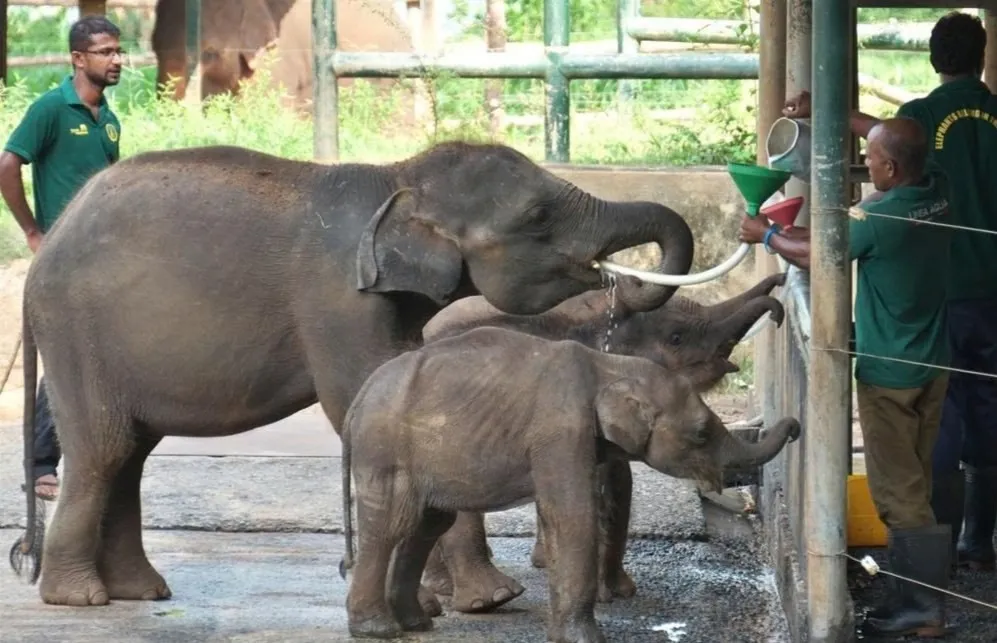
Learn about rescued elephant calves, feeding times, visitor guidelines, and the vital conservation work.
Explore Transit Home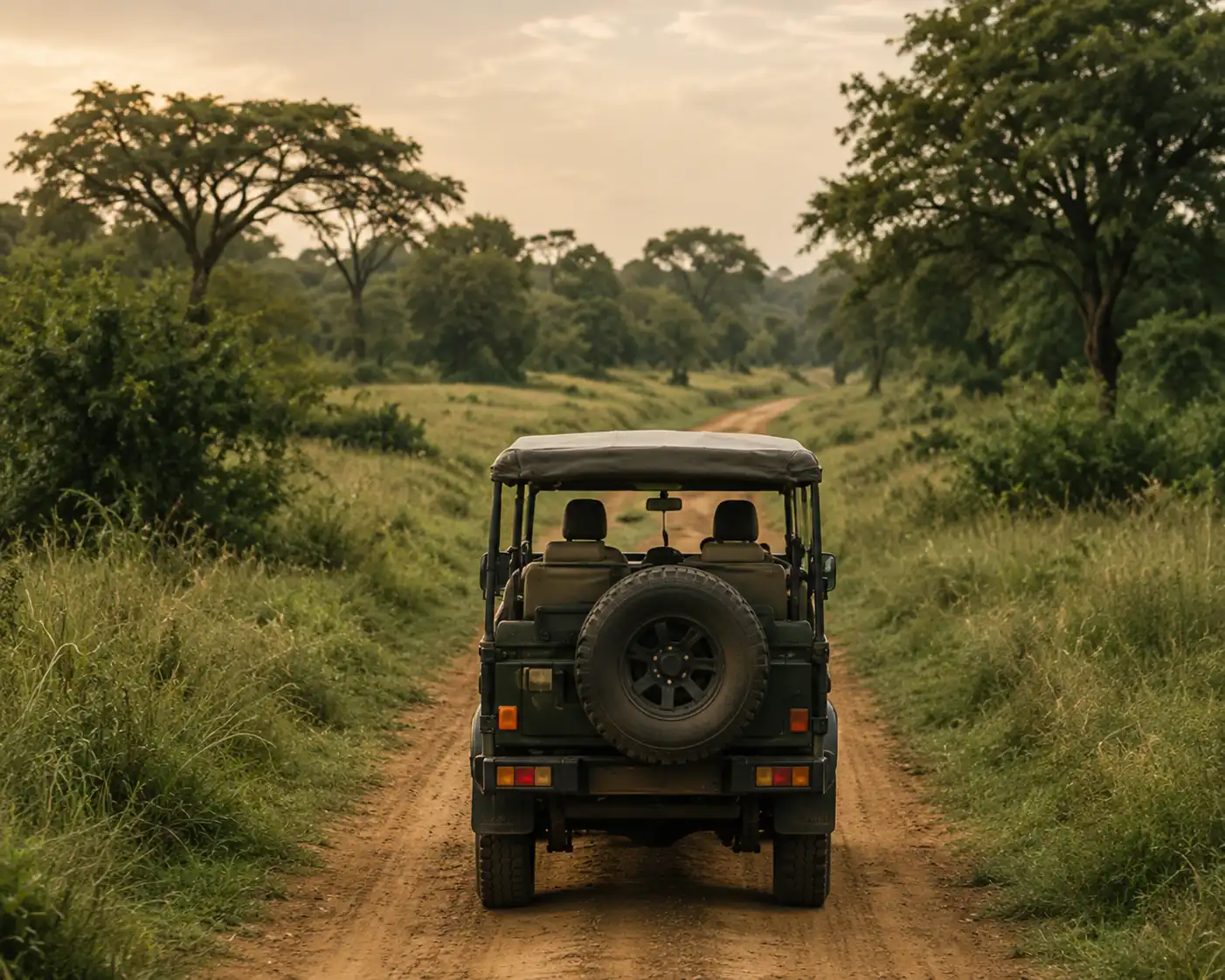
Find safari timings, jeep arrangements, and essential tips to prepare for an unforgettable adventure.
Plan Safari
Plan Your Visit

Arrive at the official Udawalawe National Park entrance and begin your adventure.

Complete ticket verification and entrance formalities before entering the park.

Board your registered safari jeep and enter the national park with your guide.

Observe elephants, birds, crocodiles, buffalo, and other wildlife in their natural habitat.
Photograph wildlife responsibly while respecting park rules and maintaining safe distances.
Explore ranger tips, wildlife articles, maps, and visitor resources before planning your next adventure.
The Guardian's Perspective

Read ranger field notes, wildlife stories from the heart of the park.
Read Journal
Learn safari timings, what to expect on the trail, and how to make the most of your visit.
Safari Guide
Find the park entrance, open directions, and download trail maps for offline use.
Open Map
Reach the Safari Guide team, ask questions, and get help planning your Udawalawe visit.
Contact UsField Guide
Discover the remarkable animals that call Udawalawe National Park home, from majestic elephants to rare predators and endemic birds.
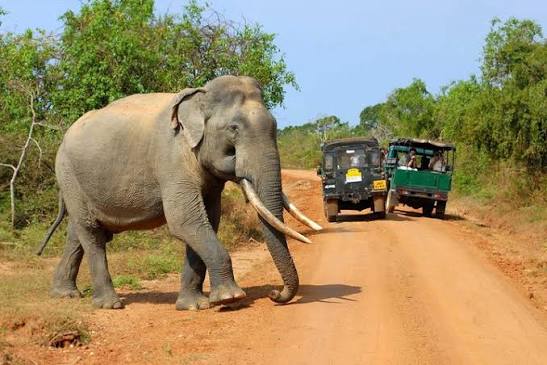
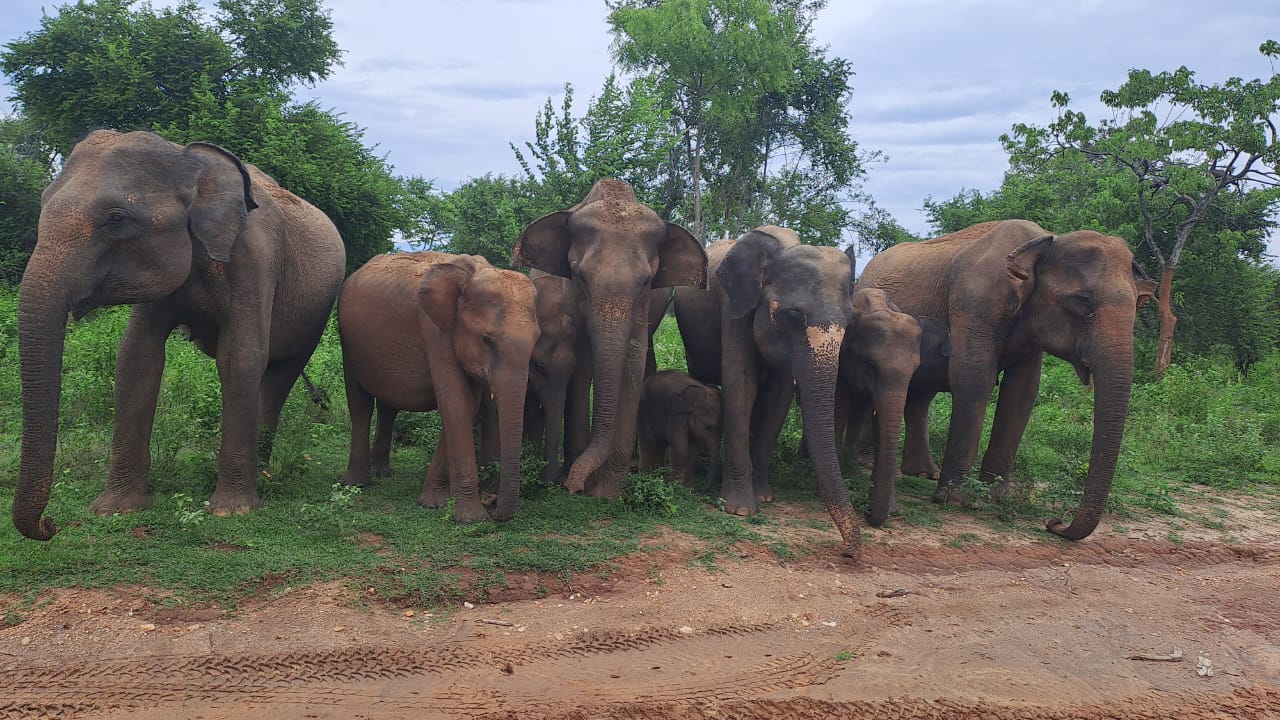
The gentle giants of Udawalawe, often seen in herds across the park.
Best Time to Spot
All Year Round
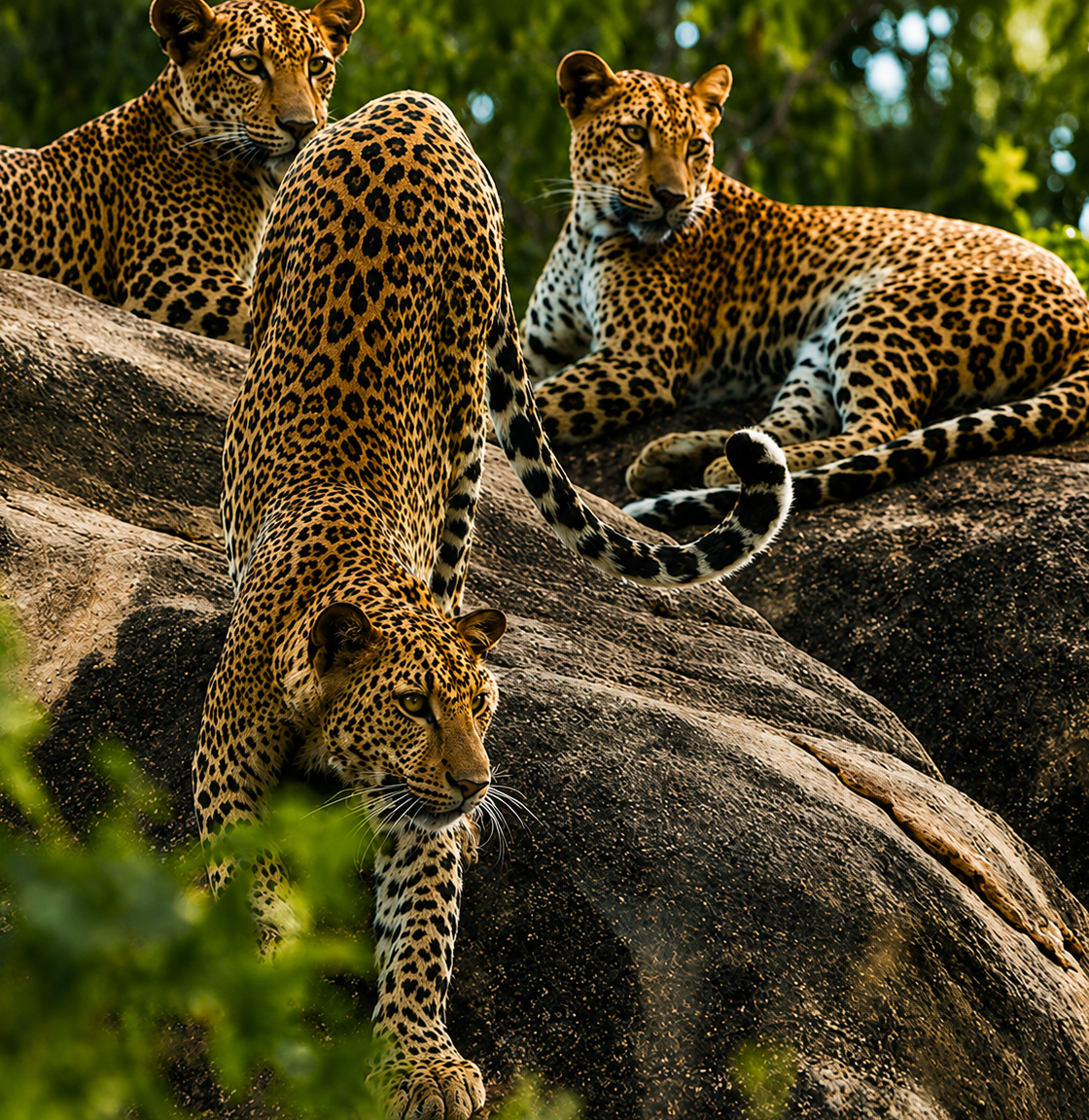
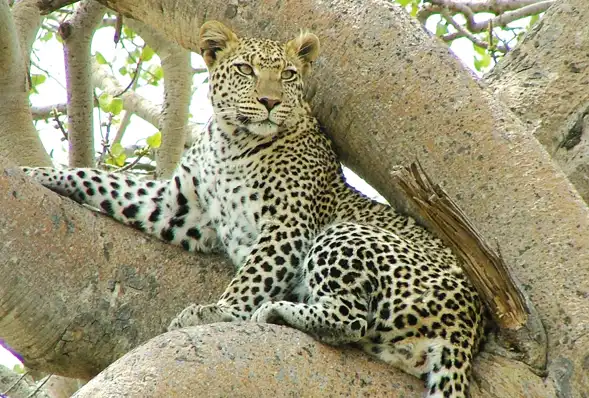
Elusive and majestic, these apex predators are rare but possible to spot.
Best Time to Spot
Early Morning & Dusk
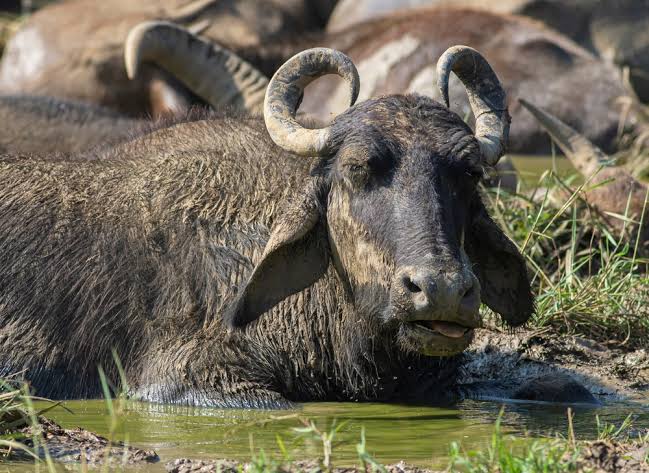
Powerful grazers of mud wallows and reservoir flats.
Best Time to Spot
Morning & Midday
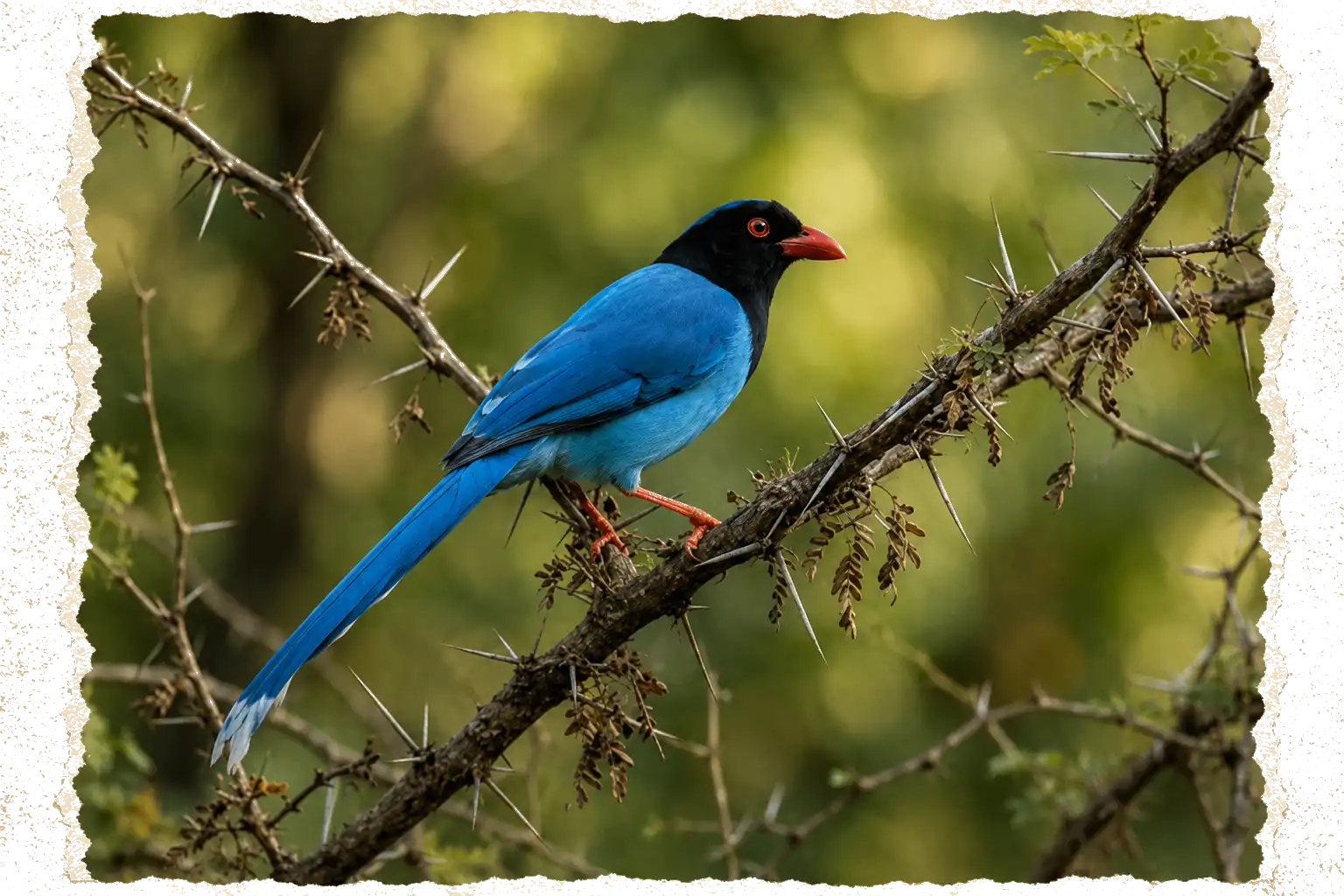
Home to over 180 bird species, including many endemics and migrants.
Best Time to Spot
Early Morning
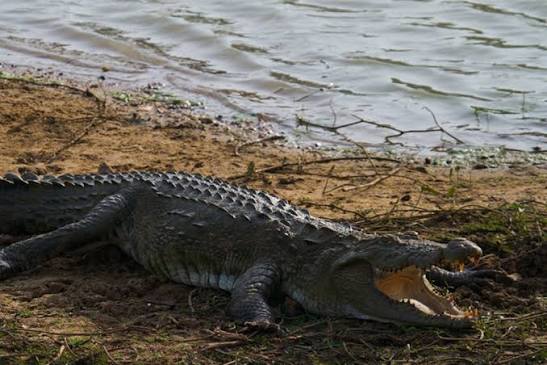
The prehistoric hunters of the water, commonly seen basking by reservoirs.
Best Time to Spot
Morning & Late Afternoon
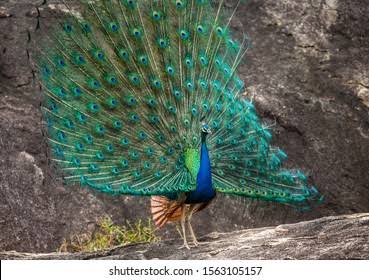
Our national bird, adding vibrant beauty to Udawalawe's natural landscapes.
Best Time to Spot
Early Morning
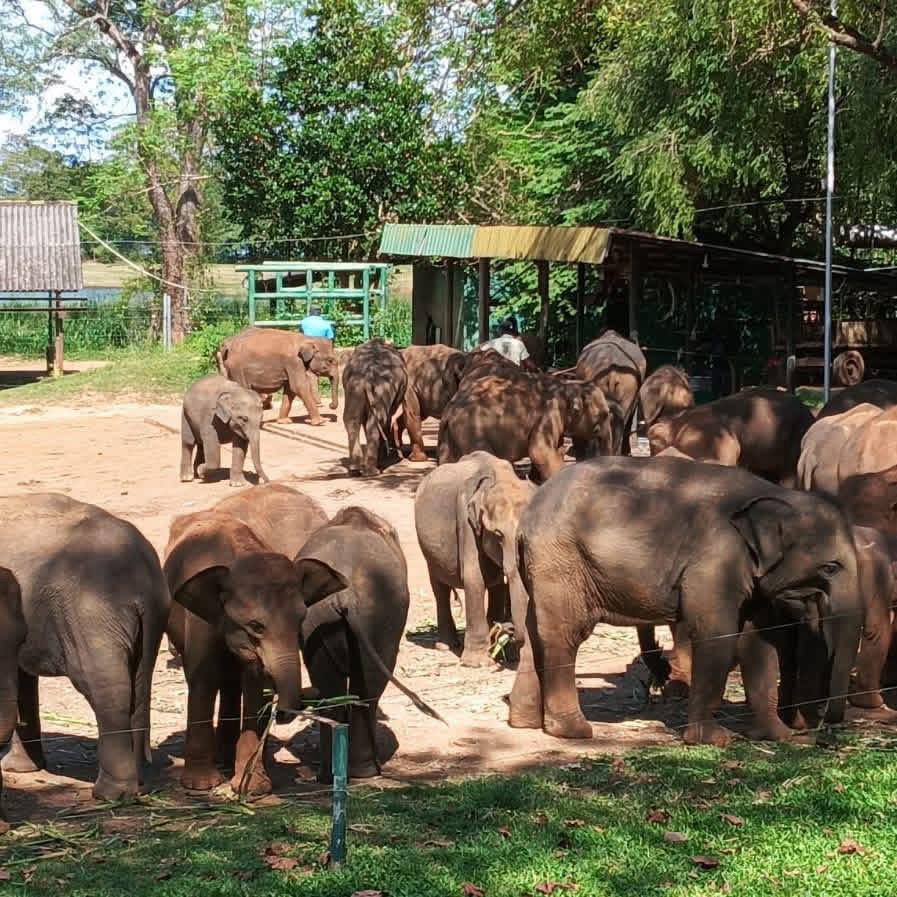
Special Experience
Sri Lanka's largest elephant rehabilitation and release centre, dedicated to rescuing and caring for orphaned elephant calves. Here, they are nurtured with love and returned to the wild where they belong.

Daily Feeding Sessions

Wildlife Conservation

No Direct Human Contact
Our National Treasure
Udawalawe was declared a national park on 30 June 1972, under Government Gazette Notification No. 14 — established at the close of the Udawalawe Reservoir Development project to protect the reservoir’s catchment and give displaced elephants a refuge. A second reservoir, Mau Ara Tank, was added inside the park between 1991 and 1998.
The park sits in a strategic corridor position, linking Lunugamvehera National Park to the southeast with Kalthota, the Bogahapattiya pond reserve, Koslanda, and Haldummulla to the north. It spans a total gazetted extent of 32,315 ha, including the 3,405 ha Udawalawe Reservoir. The western half, on the reservoir’s left bank, falls within Ratnapura District; the eastern sector on the right bank lies in Moneragala District. The Udawalawe–Thanamalvila road marks the southern boundary, beyond which lies the Sevanagala sugar plantation.
The park encloses the drainage basins of the Walawe River and Mau Ara, forming an undulating plain around 100m in elevation that rises to 373m at the Ulgala foothills in the west. The Kalthota Escarpment to the north is its most striking physical feature. Much of the park lies within the Vijayan Series of pre-Cambrian crystalline rock, with extensive gneiss and granite exposed in the northwest and east.
Lying in the Dry Zone, Udawalawe sees uniformly high temperatures and seasonal rainfall — around 1,500mm annually, peaking with the Southwest Monsoon (April–May) and Northeast Monsoon (October–November). Mean annual temperature hovers near 32°C, with daytime humidity ranging from 61% to 94%.
Once over 80% forested in 1956, land clearance for chena cultivation and reservoir construction had reduced forest cover to just 4% by the park’s establishment in 1972. Today’s landscape is a mosaic of Dry-Mixed Evergreen Forest, Riverine Forest along the Walawe River, scrub (over 50% of the park), and grassland (nearly 32%) — much of it regenerated from abandoned chena land and now dominated by Guinea grass. A 2006–07 biodiversity survey recorded 218 vascular plant species, nine of them endemic.
Udawalawe is best known for its large, easily viewed Asian Elephant population, especially across its open grasslands. Beyond elephants, the park supports 42 mammal species (six endemic), 225 recorded bird species (four endemic, including the critically endangered Rock Pigeon), 26 reptile species (eight endemic), 15 amphibian species, and a rich freshwater fish assemblage of 25 species. It is also considered one of the best places in Sri Lanka to spot the elusive Jungle Cat.
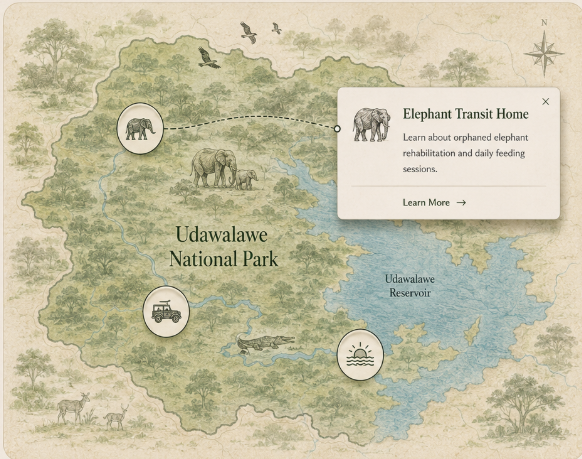
Learn about orphaned elephant rehabilitation and daily feeding sessions.
Discover elephants, birds, and other wildlife in their natural habitat.
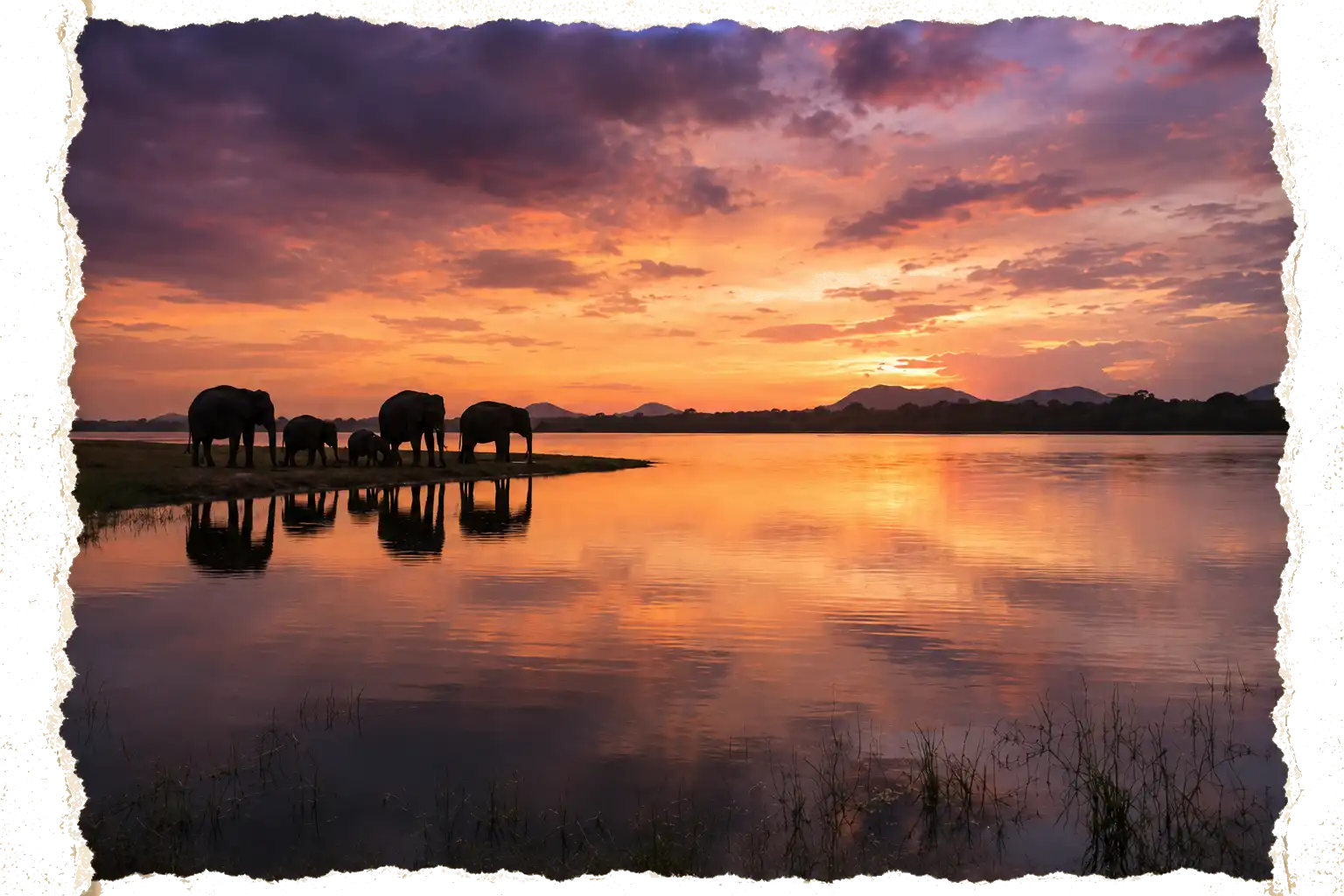
Scenic landscapes and sunset viewpoints across the reservoir.
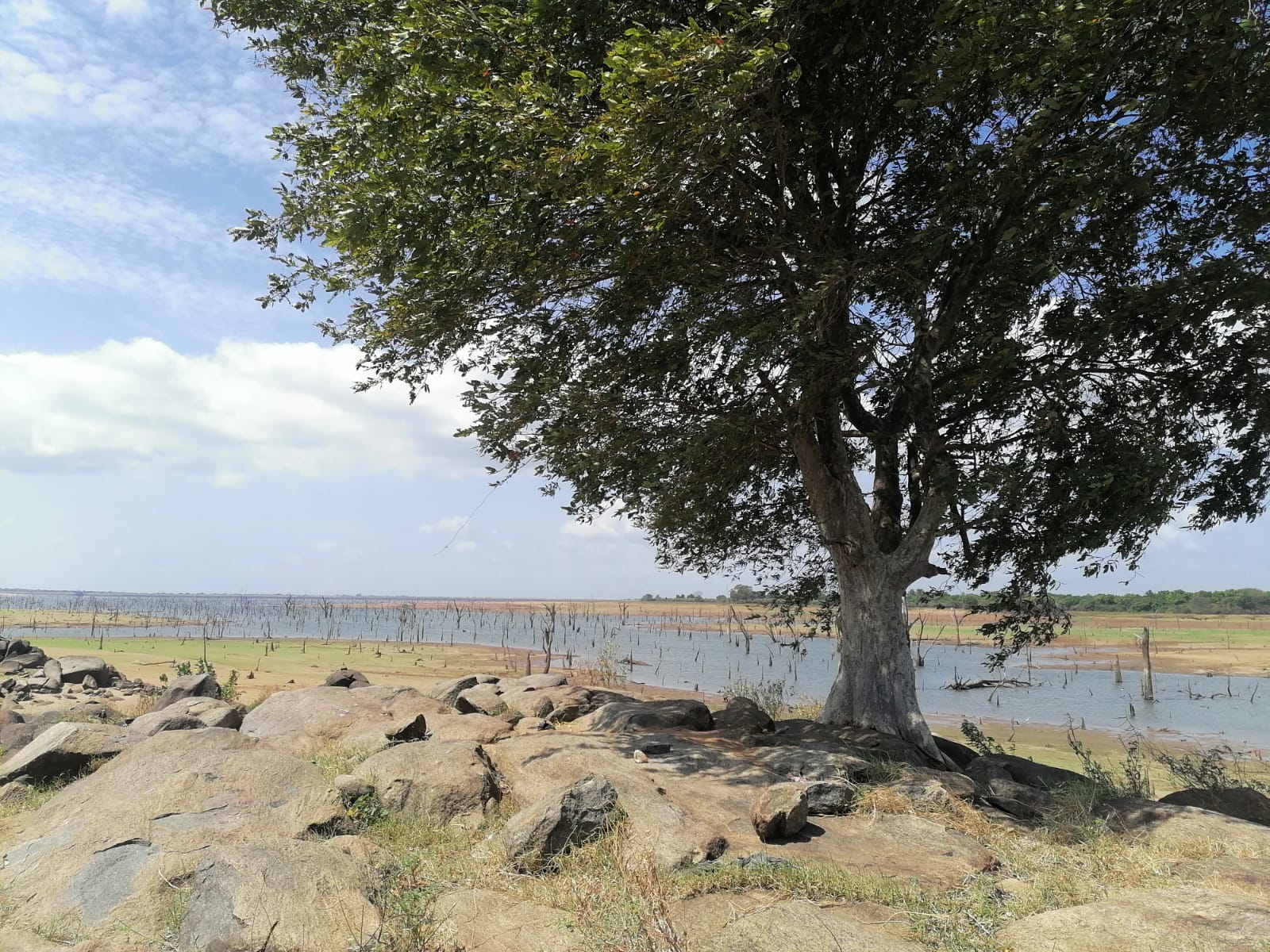
~ 1 – 2 KM FROM THE PARK
A scenic reservoir perfect for bird watching and sunset views. A peaceful spot to relax close to nature.
Explore More~ 5 KM FROM THE PARK
Visit rescued elephant calves, learn their stories, and watch the feeding sessions. A meaningful experience.
Explore More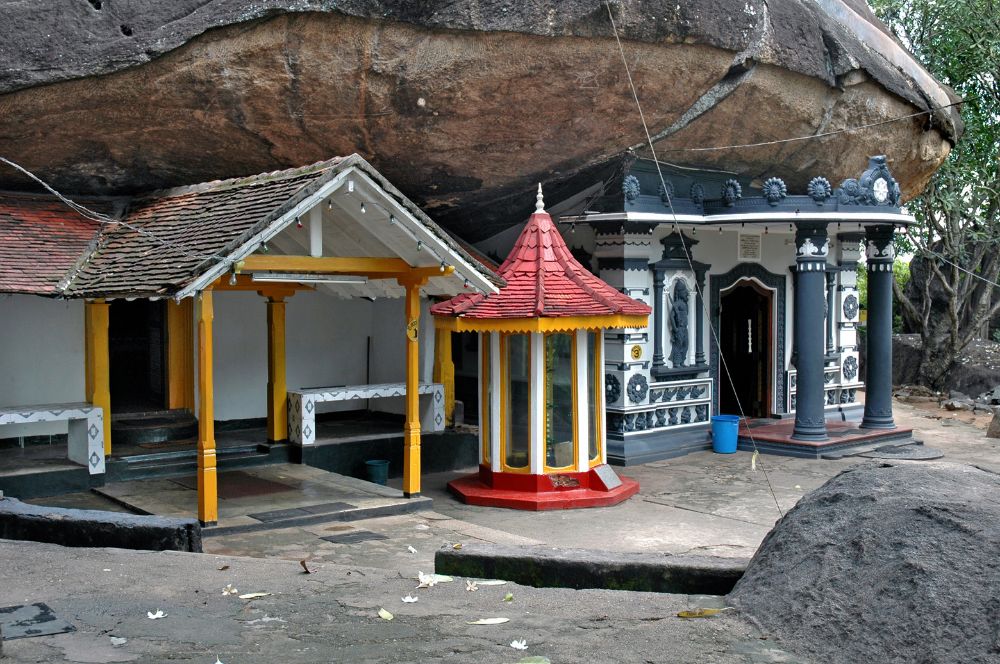
~ 18 KM FROM THE PARK
An ancient rock temple with historic caves, inscriptions and a rich cultural heritage dating back centuries.
Explore More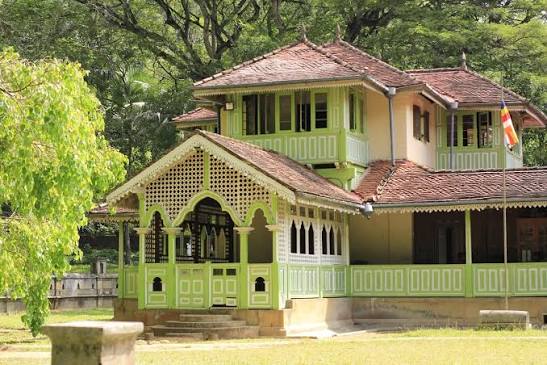
~ 30 – 40 KM FROM THE PARK
Step back in time at this historic mansion and explore Sri Lanka's rich heritage and colonial architecture.
Explore MoreField Notes
 Wildlife
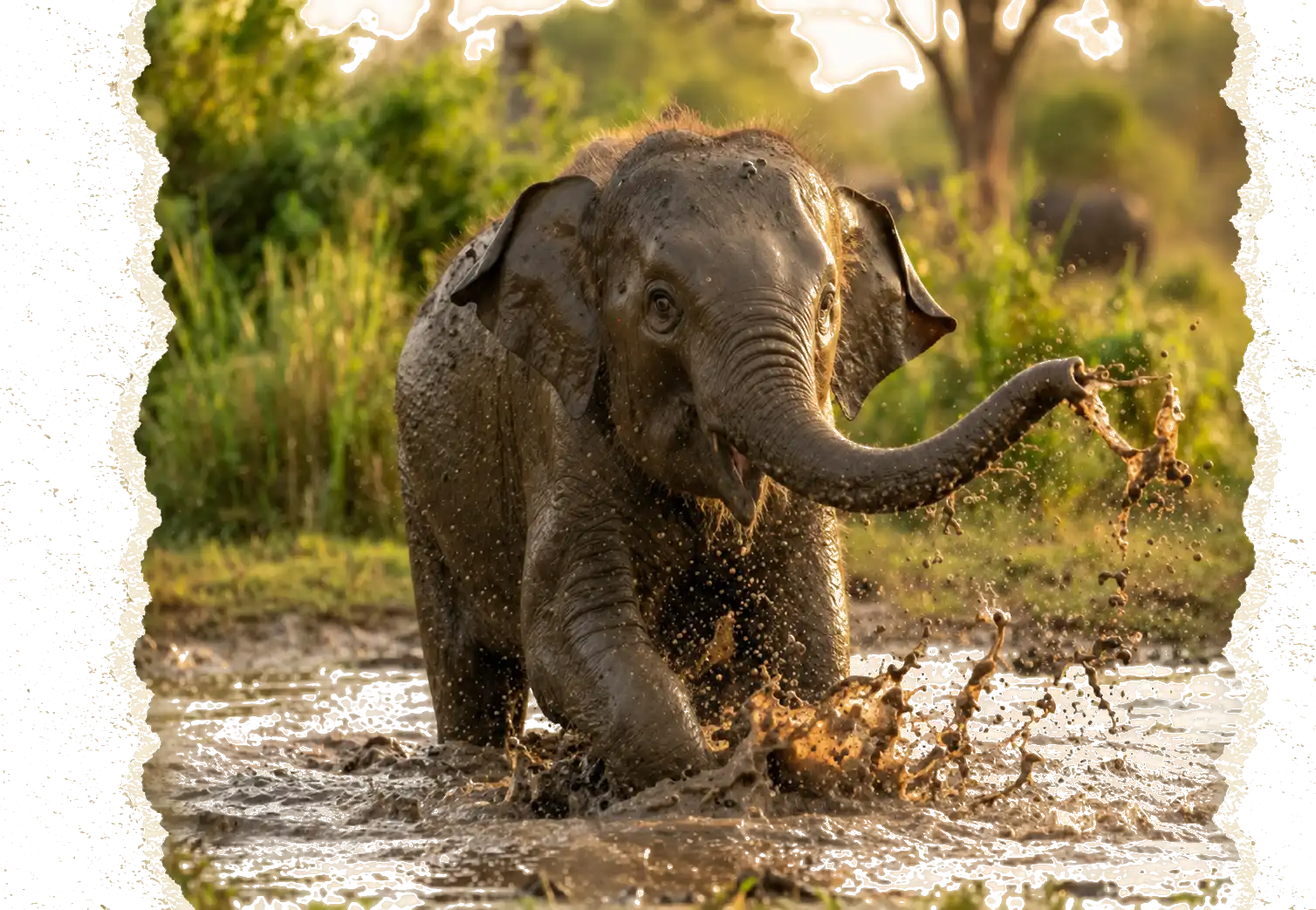
Following solitary bull elephants through reservoir corridors, dust trails, and the quiet hours after the last jeep returns.
 Wetlands
Dawn choruses at the reservoir edge — the bird calls that signal a healthy wetland season.
 Conservation
How collar data and field cameras help rangers follow elephant herds through dry-season corridors.