


Wildlife

Animals of Udawalawe
National Park

Field Guide

Wildlife of Udawalawe National Park

A closer look at the mammals, birds, and reptiles that shape Udawalawe’s grasslands, wetlands, and reservoir shores.

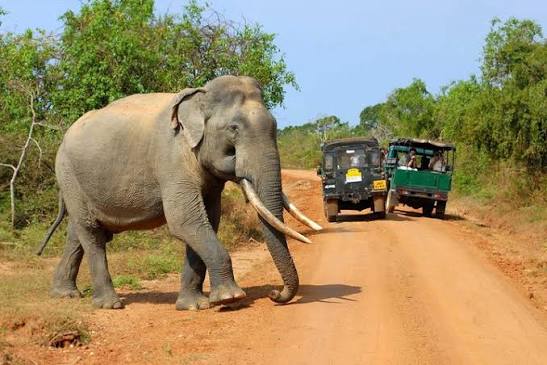
Sri Lankan elephant in Udawalawe National Park

Sri Lankan Elephant

Elephas maximus maximus

Udawalawe is one of the most reliable places in Sri Lanka to observe Asian elephants in the wild. Family herds gather around the reservoir and grasslands, especially in the dry season when water and green forage concentrate animals near open clearings. Bulls may appear alone or in small bachelor groups, while matriarch-led herds move with calves through scrub and lakeshore corridors.
Best time to spot
All Year Round
Habitat
Grasslands, reservoir edges, and open scrub
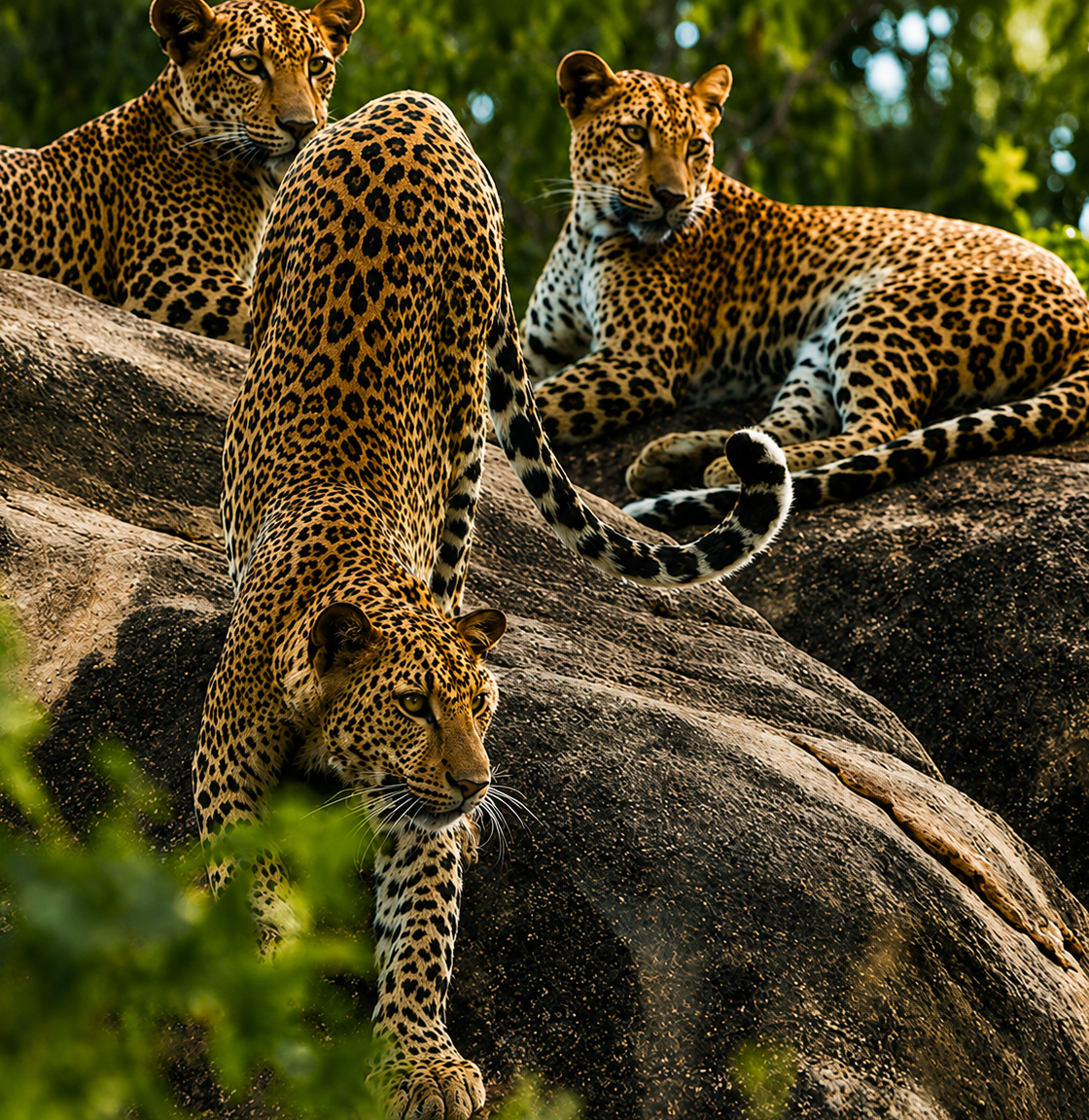
Sri Lankan leopards on rocky outcrop

Leopard (Rare)

Panthera pardus kotiya

The Sri Lankan leopard is the park’s apex predator and a rare safari highlight. Sightings are uncommon because leopards are solitary, territorial, and often rest in dense cover during the heat of the day. Early and late drives give the best chance, especially when alarm calls from deer or langurs reveal a nearby cat.

Best time to spot
Early Morning & Dusk
Habitat
Rocky outcrops, dense scrub, and quiet jeep tracks
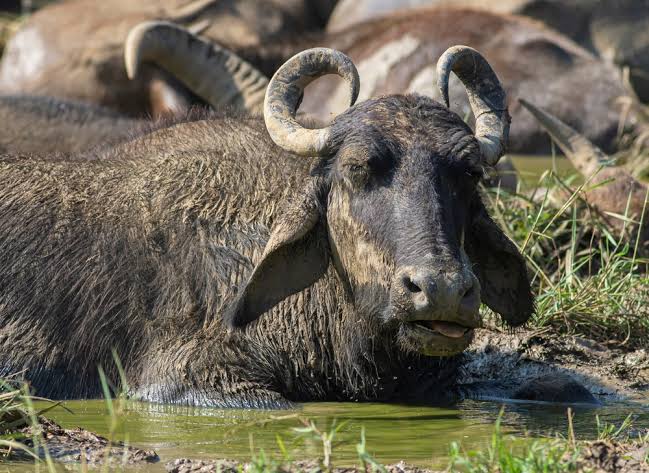
Water buffalo in Udawalawe National Park

Water Buffalo

Bubalus bubalis

Water buffalo are a familiar sight in Udawalawe’s wetlands and muddy pools. Herds cool themselves in wallows during hot midday hours and graze open flats near the reservoir. Their presence helps shape wetland edges used by birds and other grazers.

Best time to spot
Morning & Midday
Habitat
Mud wallows, marsh edges, and open flats
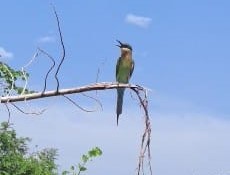
Bird perched in a tree in Udawalawe National Park

Endemic Birds

Udawalawe supports a rich bird community across grasslands, marshes, and the reservoir shoreline. Painted storks, egrets, herons, and many migrant waterbirds gather in shallow feeding bays, while woodland edges hold endemic and dry-zone specialists. Dawn is the most rewarding hour for both song and photography.

Best time to spot
Early Morning
Habitat
Wetlands, reservoir margins, and scrub woodland
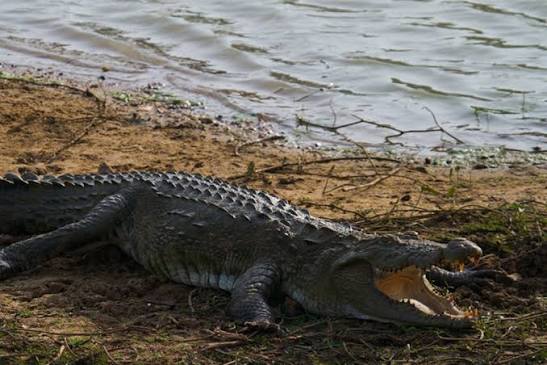
Mugger crocodile in Udawalawe National Park

Mugger Crocodile

Crocodylus palustris

Mugger crocodiles inhabit the Udawalawe Reservoir and connecting waterways. They are often seen basking on muddy banks in the morning or late afternoon, sliding into deeper water when disturbed. Visitors should keep a respectful distance from shorelines where crocodiles rest.

Best time to spot
Morning & Late Afternoon
Habitat
Reservoir shores, lagoons, and river channels
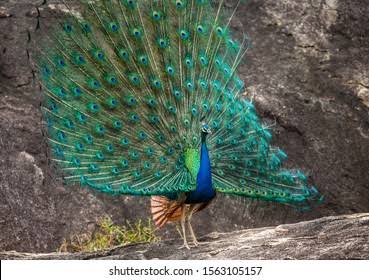
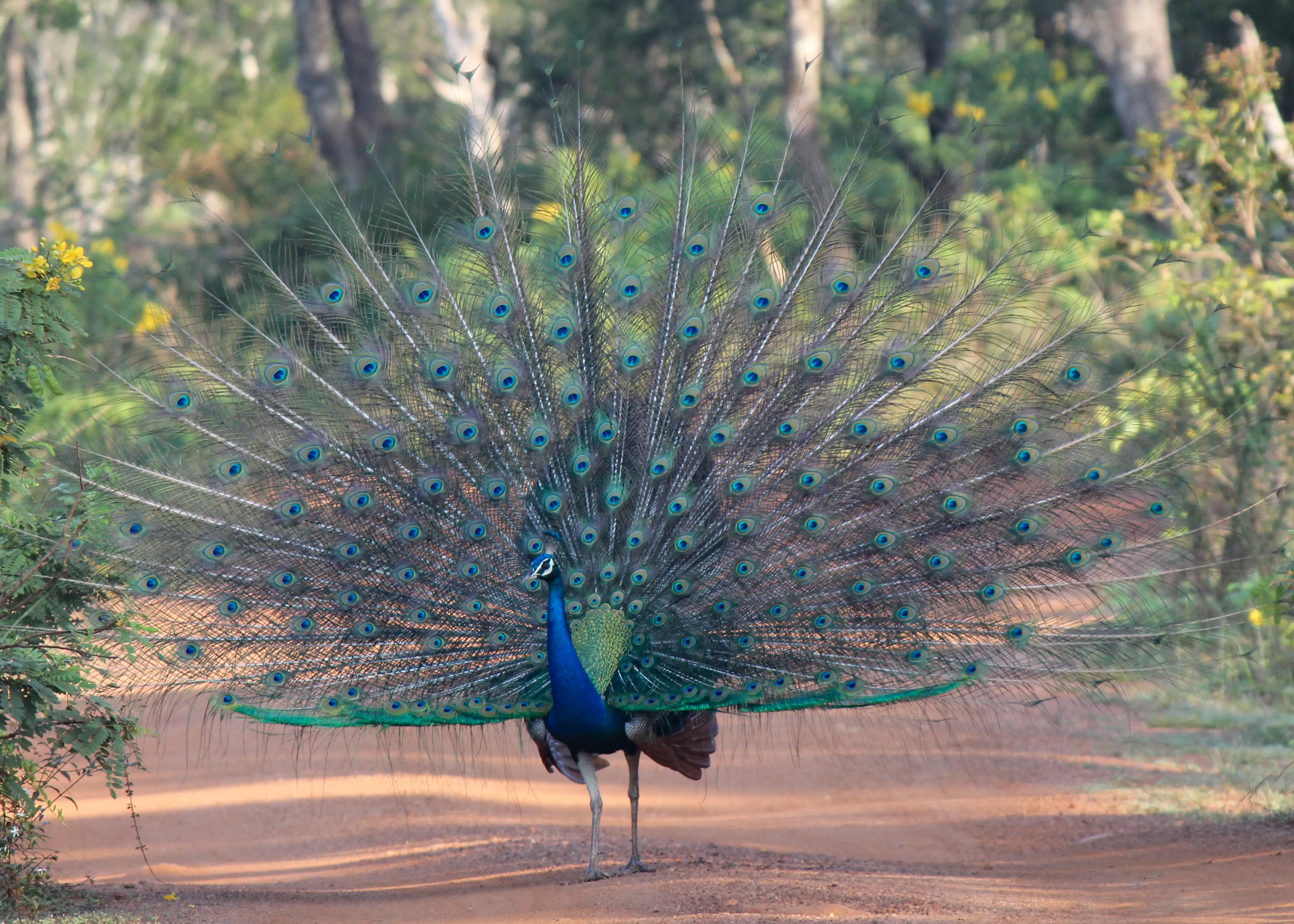
Sri Lankan peafowl in Udawalawe scrub and woodland

Sri Lankan Peafowl

Pavo cristatus

The Sri Lankan peafowl — the national bird — is commonly seen across Udawalawe’s open country. Males display iridescent trains during the breeding season, while peahens and chicks forage along jeep tracks and grassland edges. Early morning light brings both activity and colour.

Best time to spot
Early Morning
Habitat
Open grasslands, scrub, and track edges
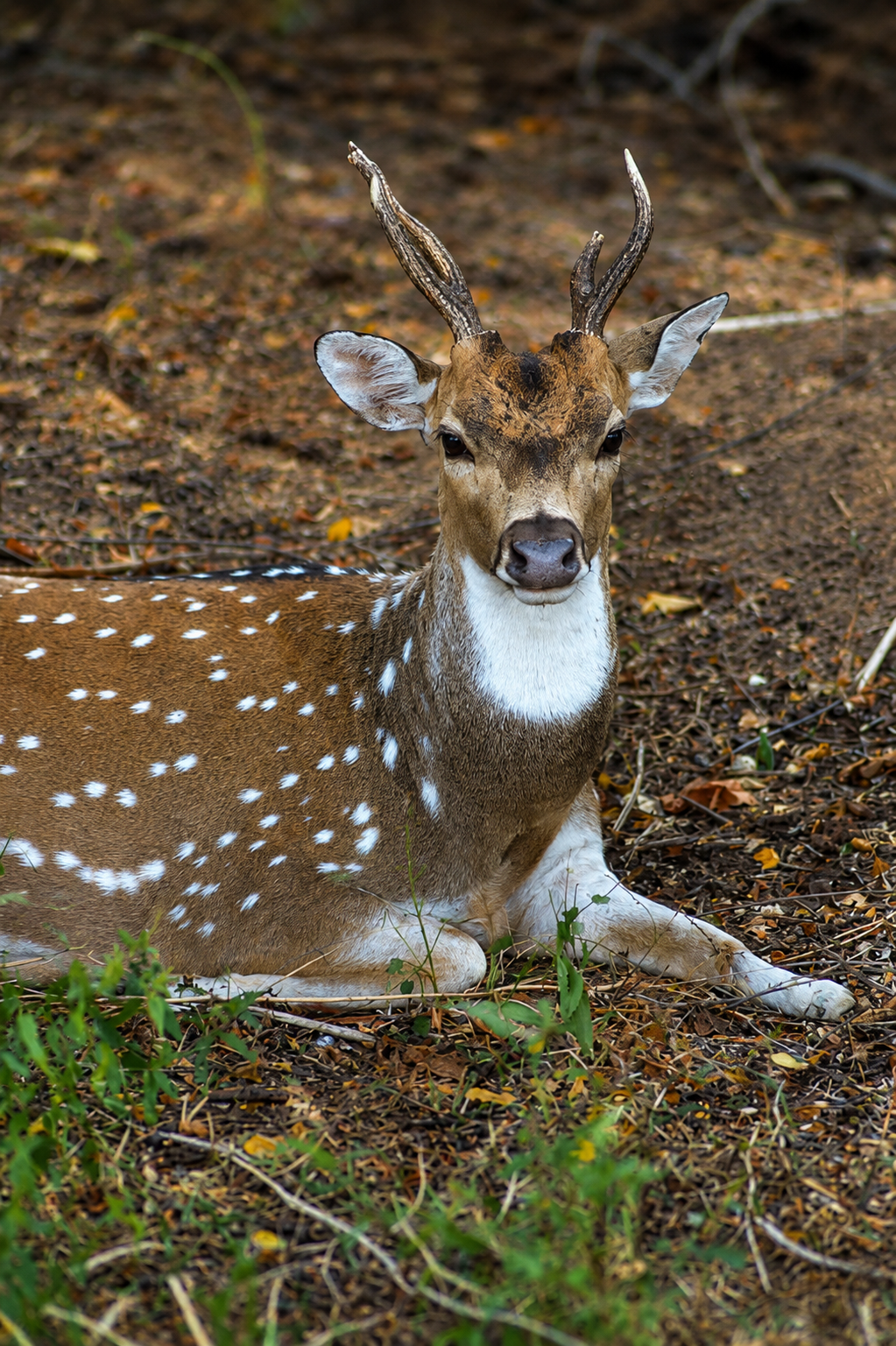
Spotted deer resting in Udawalawe National Park

Spotted Deer

Axis axis

Spotted deer (chital) form groups across Udawalawe’s grasslands and light woodland. They are often seen grazing in mixed herds and serve as an important prey species for leopards. Watch for sudden alarm calls — they can signal a nearby predator.

Best time to spot
Early Morning & Late Afternoon
Habitat
Grass savanna and open woodland
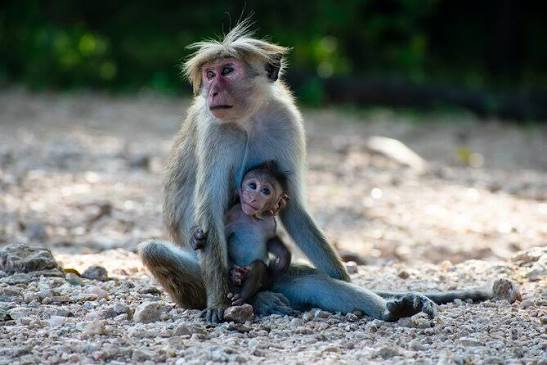
Toque macaque mother and infant

Toque Macaque

Macaca sinica

The toque macaque is endemic to Sri Lanka and frequently encountered in Udawalawe’s wooded edges and visitor areas. Troops forage for fruit, leaves, and insects, with mothers often carrying infants. Keep food packed away — feeding wildlife is harmful and prohibited.

Best time to spot
All Day
Habitat
Forest fringe, scrub, and near park facilities
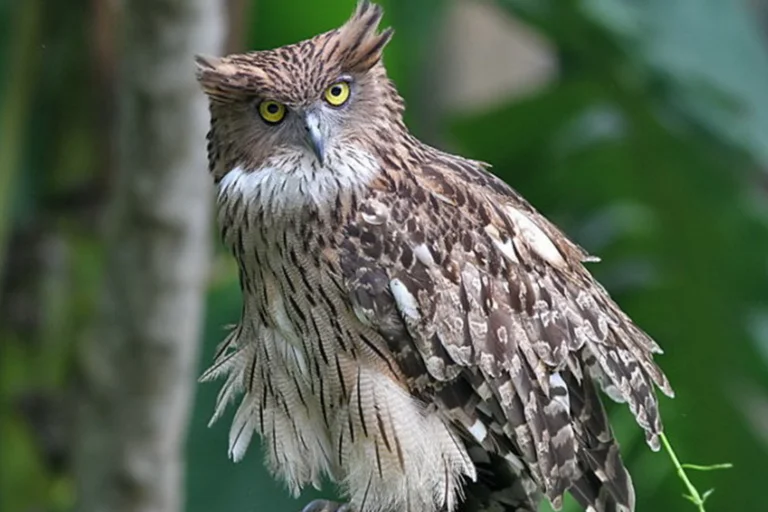
Brown fish owl (Ketupa zeylonensis)

Brown Fish Owl

Ketupa zeylonensis

Brown fish owls hunt along Udawalawe’s water margins, taking fish and other aquatic prey. They often roost quietly by day in large waterside trees and become active toward dusk. Patient scanning of shaded riverine branches can reveal a stocky silhouette and distinctive ear tufts.

Best time to spot
Dusk & Night
Habitat
Riverine trees and reservoir shoreline woodland

Avifauna

Birds of Udawalawe

From forest endemics to reservoir raptors — a field look at species you may encounter across Udawalawe’s scrub, woodland, and wetlands.

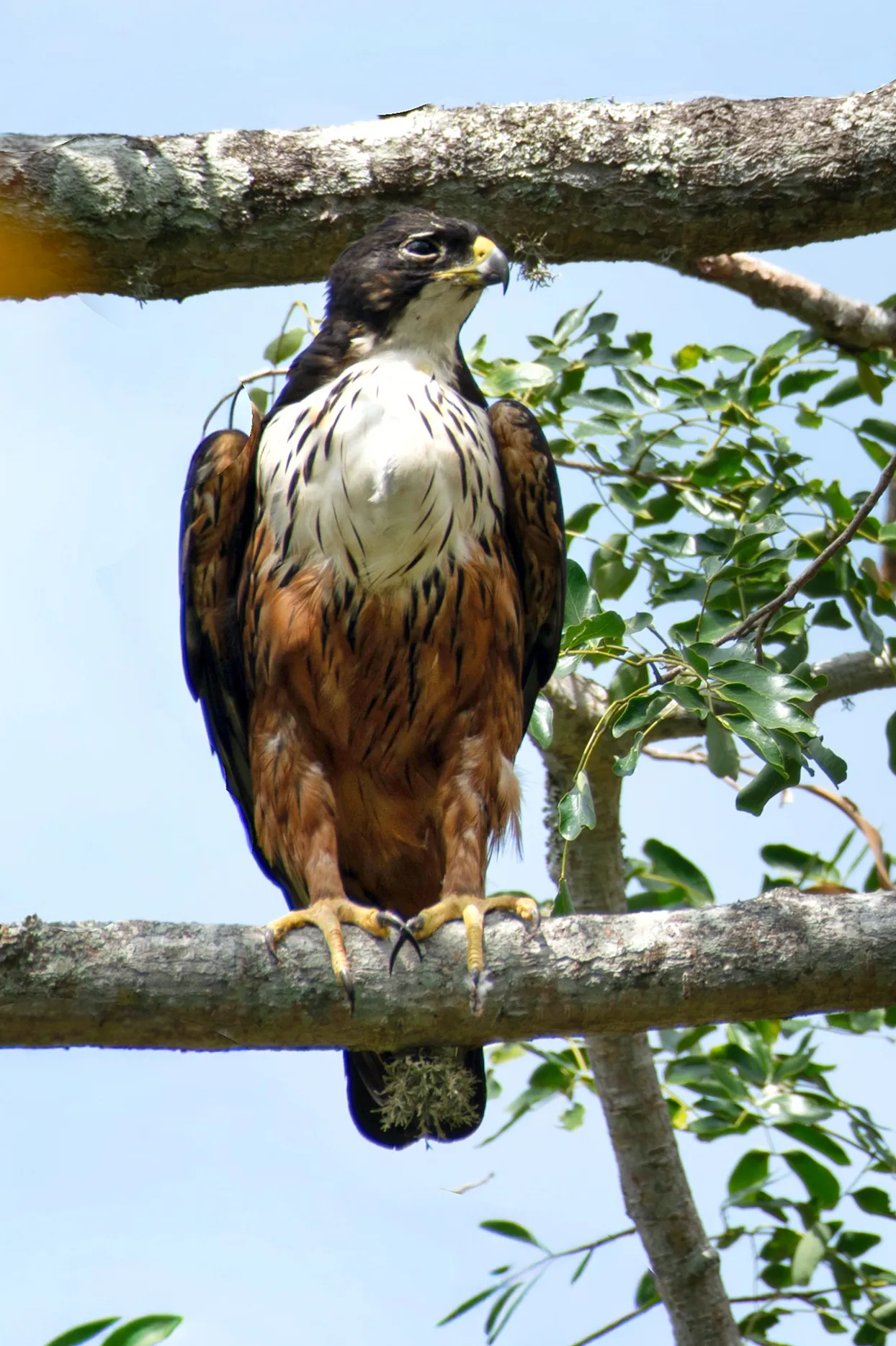
Rufous-bellied eagle in Udawalawe

Rufous-bellied Eagle

Lophotriorchis kienerii

A small forest raptor with a dark blackish hood and back, a white throat and breast heavily streaked in black, and rich chestnut-rufous underparts. Also called the rufous-bellied hawk-eagle, it is a rare and striking breeding resident of Sri Lanka’s dense wet-zone forests.

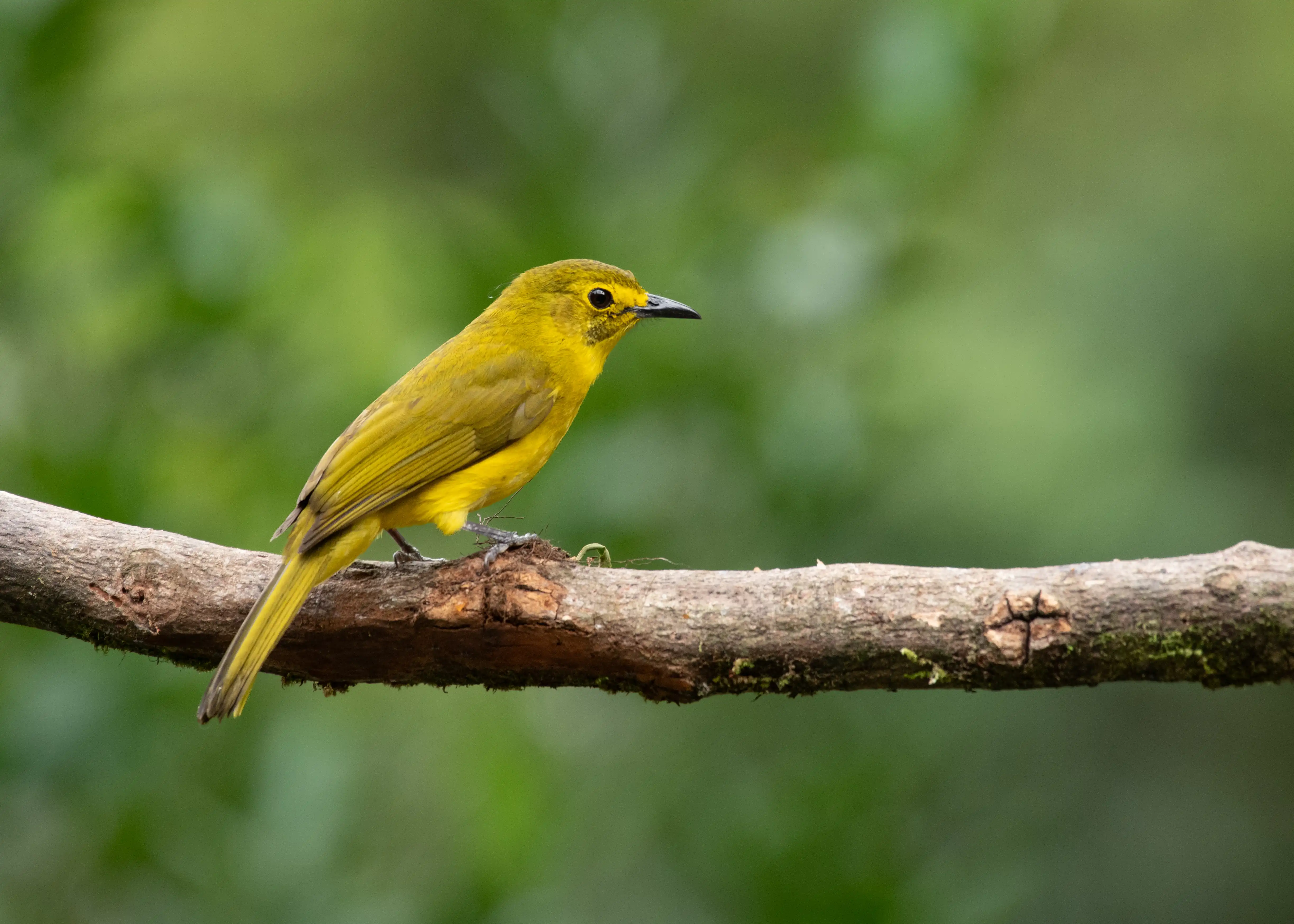
Yellow-browed bulbul perched on a branch

Yellow-browed Bulbul

Acritillas indica

A bright songbird about 20 cm long, with yellow underparts, olive-green upperparts, and a clear yellow brow above a dark eye. It keeps to leafy cover in southern India’s and Sri Lanka’s wooded hills and is often found first by its loud calls.

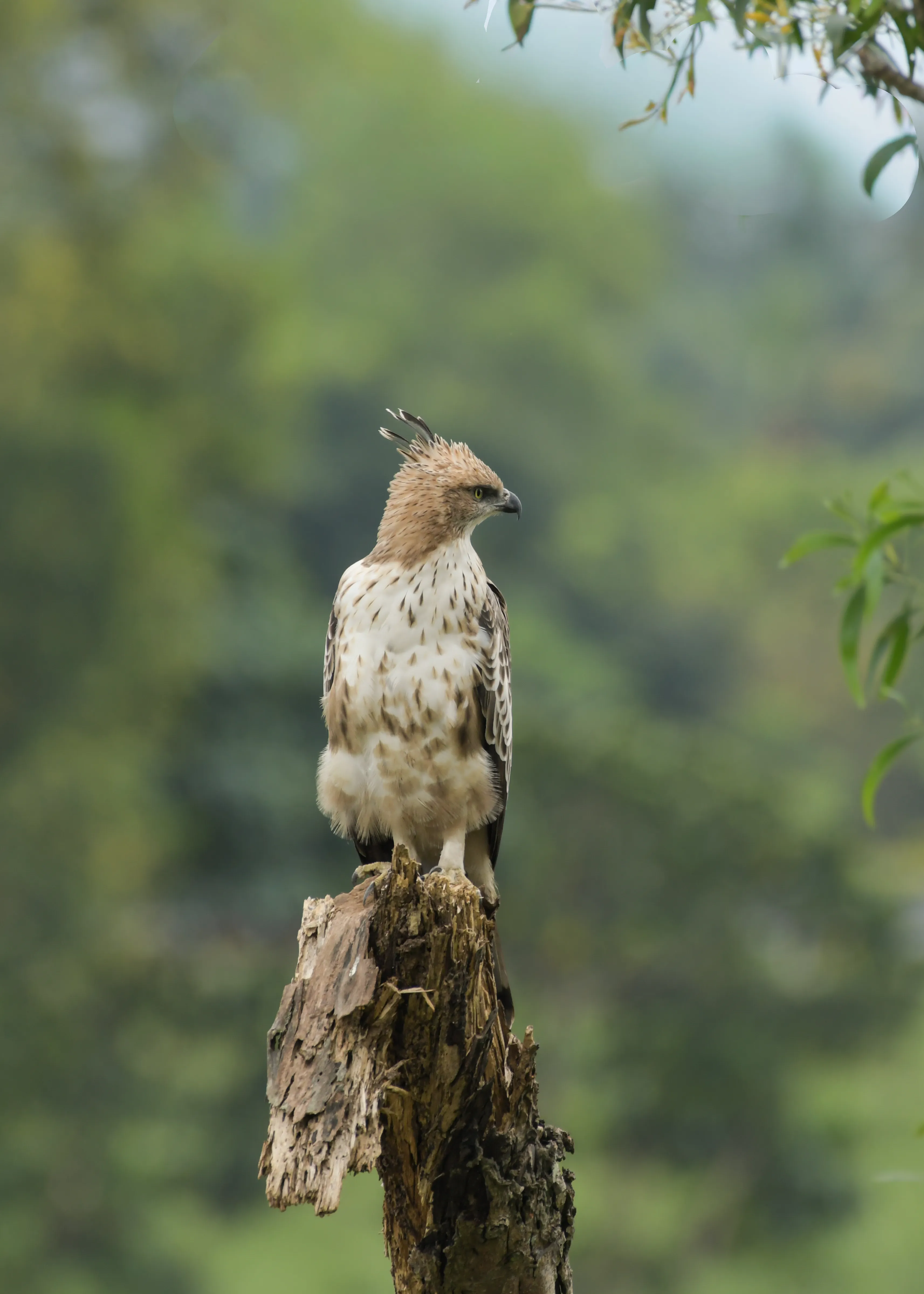
Changeable hawk-eagle with crest

Changeable Hawk-Eagle

Nisaetus cirrhatus

Also known as the crested hawk-eagle, this large Accipitridae raptor is a common resident of Sri Lanka’s forests and parks. Look for dark brown upperparts, a heavily streaked white breast, and a narrow floppy crest — plumage can vary to an almost all-dark morph.

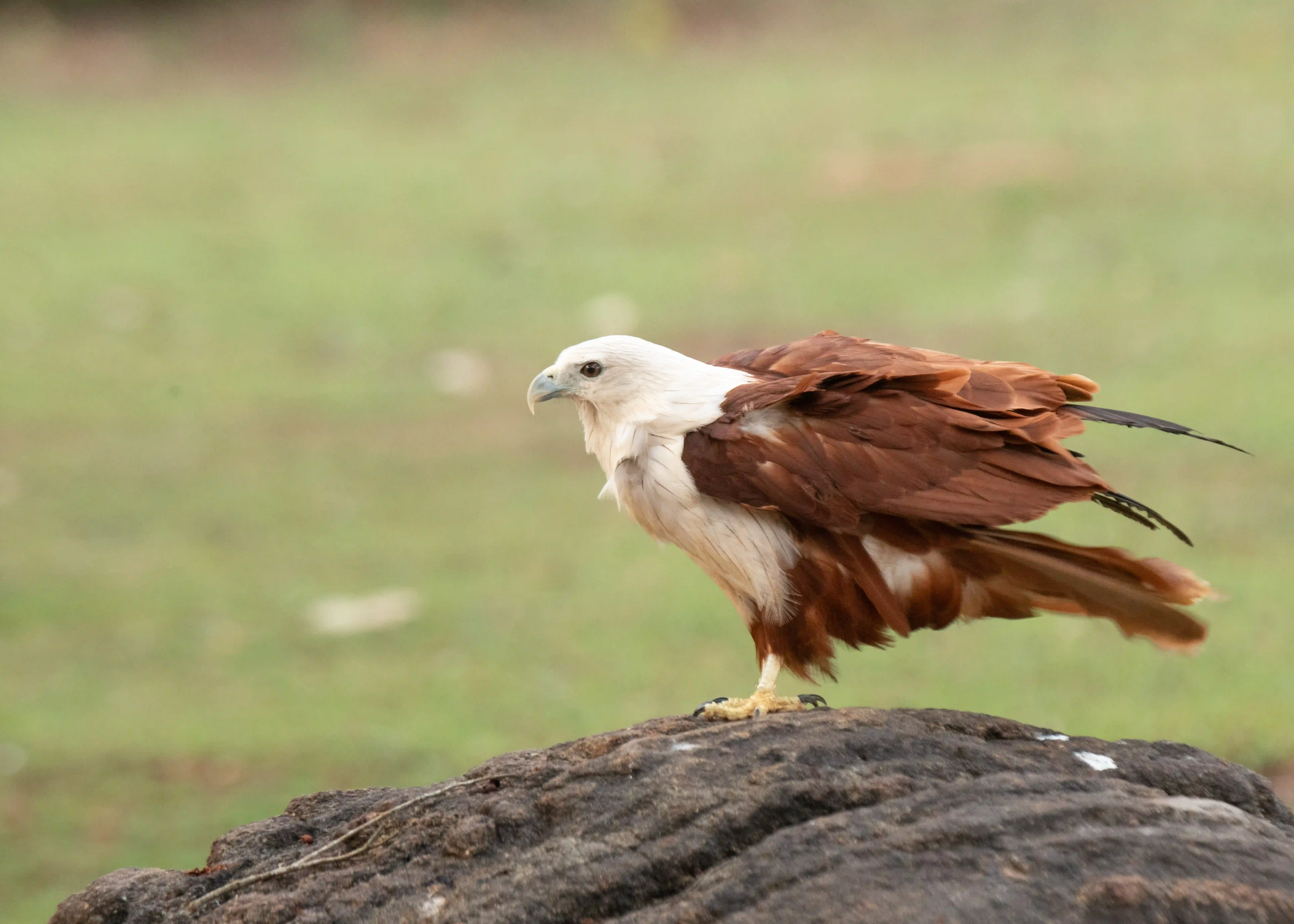
Brahminy kite in flight or perched

Brahminy Kite

Haliastur indus

A medium-sized raptor, also called the red-backed sea-eagle, with a clean white head, neck, and breast against a rich chestnut body and wings. An opportunistic scavenger and hunter of fish, crabs, frogs, and insects across tropical South and Southeast Asia.

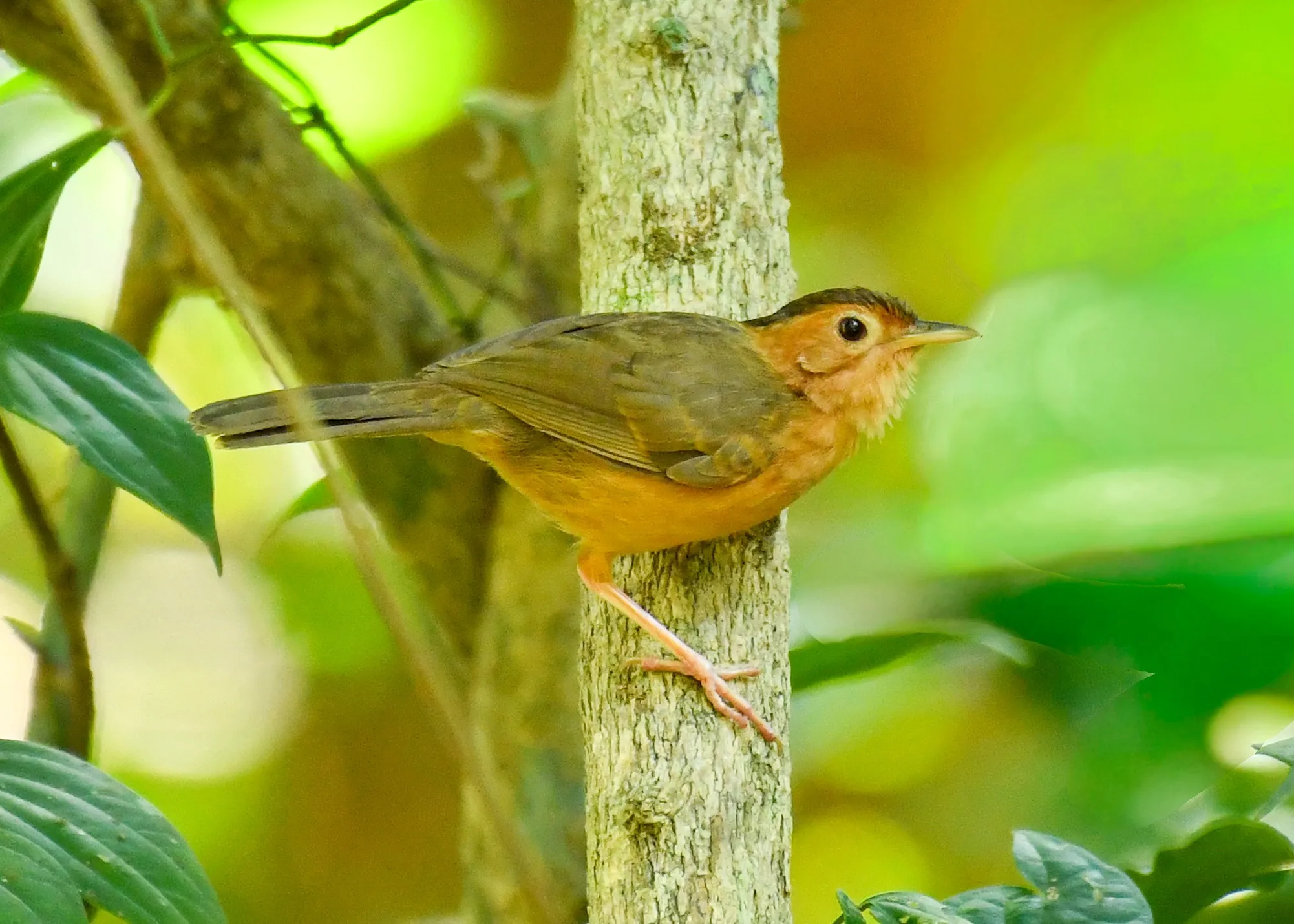
Brown-capped babbler, endemic to Sri Lanka

Brown-capped Babbler

Pellorneum fuscocapillus

Endemic to Sri Lanka, this secretive understory bird has cinnamon-orange underparts, an olive-brown back, and a darker brown cap. It lives in pairs, foraging through leaf litter for insects, and is heard more often than seen thanks to its melodious whistling calls.

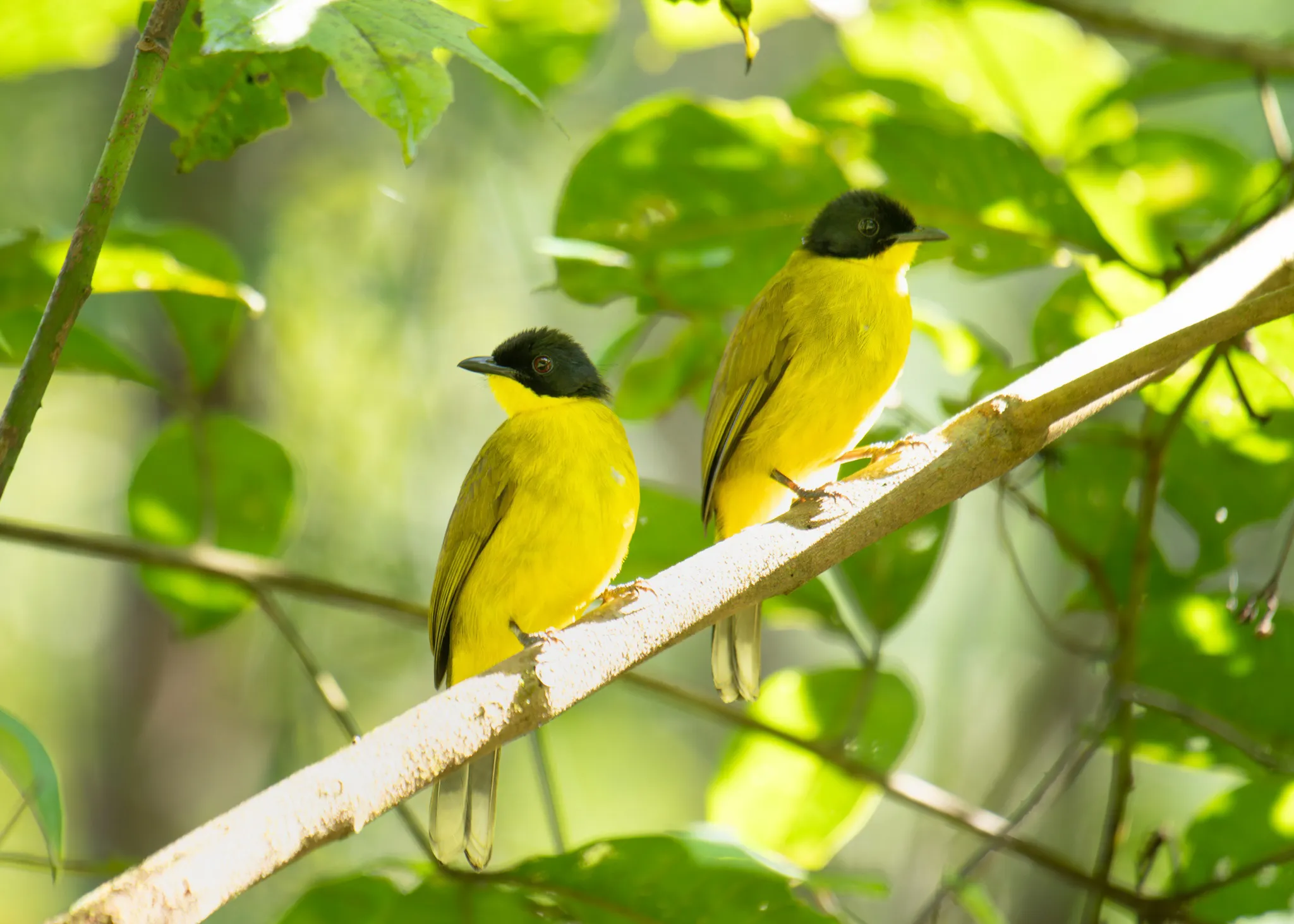
Black-capped bulbul among foliage

Black-capped Bulbul

Rubigula melanictera

A Sri Lanka endemic with olive-green upperparts, brilliant yellow underparts and throat, and a solid black head with no crest. Often moves in pairs or small groups through wet-zone forest and wooded gardens.

White-bellied sea eagle

White-bellied Sea Eagle

Icthyophaga leucogaster

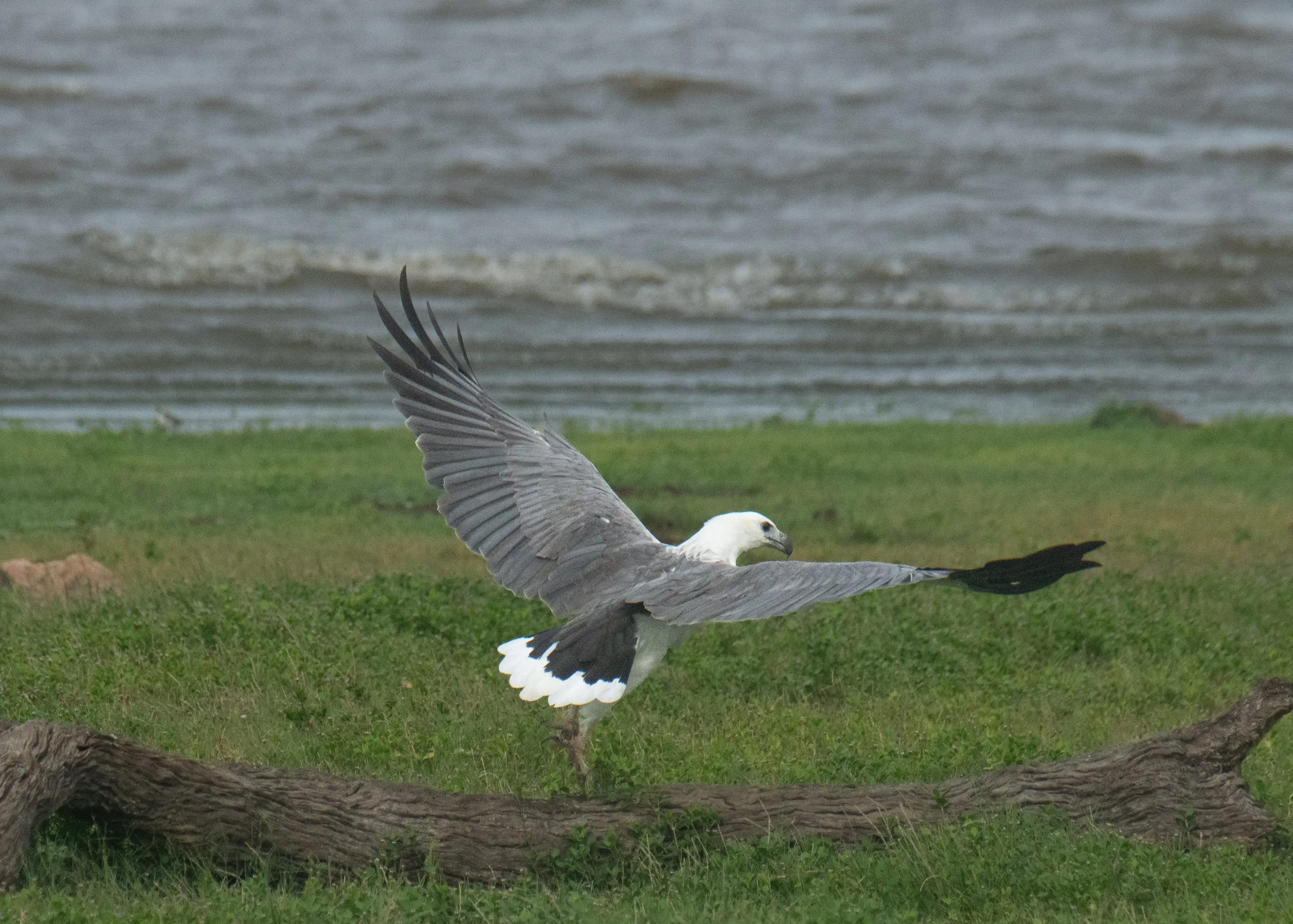
A large diurnal raptor with a white head, breast, and underparts set against slate-grey wings. Females can reach about 90 cm with a wingspan up to 2.2 m. It hunts fish and other aquatic prey and ranges from India and Sri Lanka through Southeast Asia to Australia.

Crested serpent eagle

Crested Serpent Eagle

Spilornis cheela

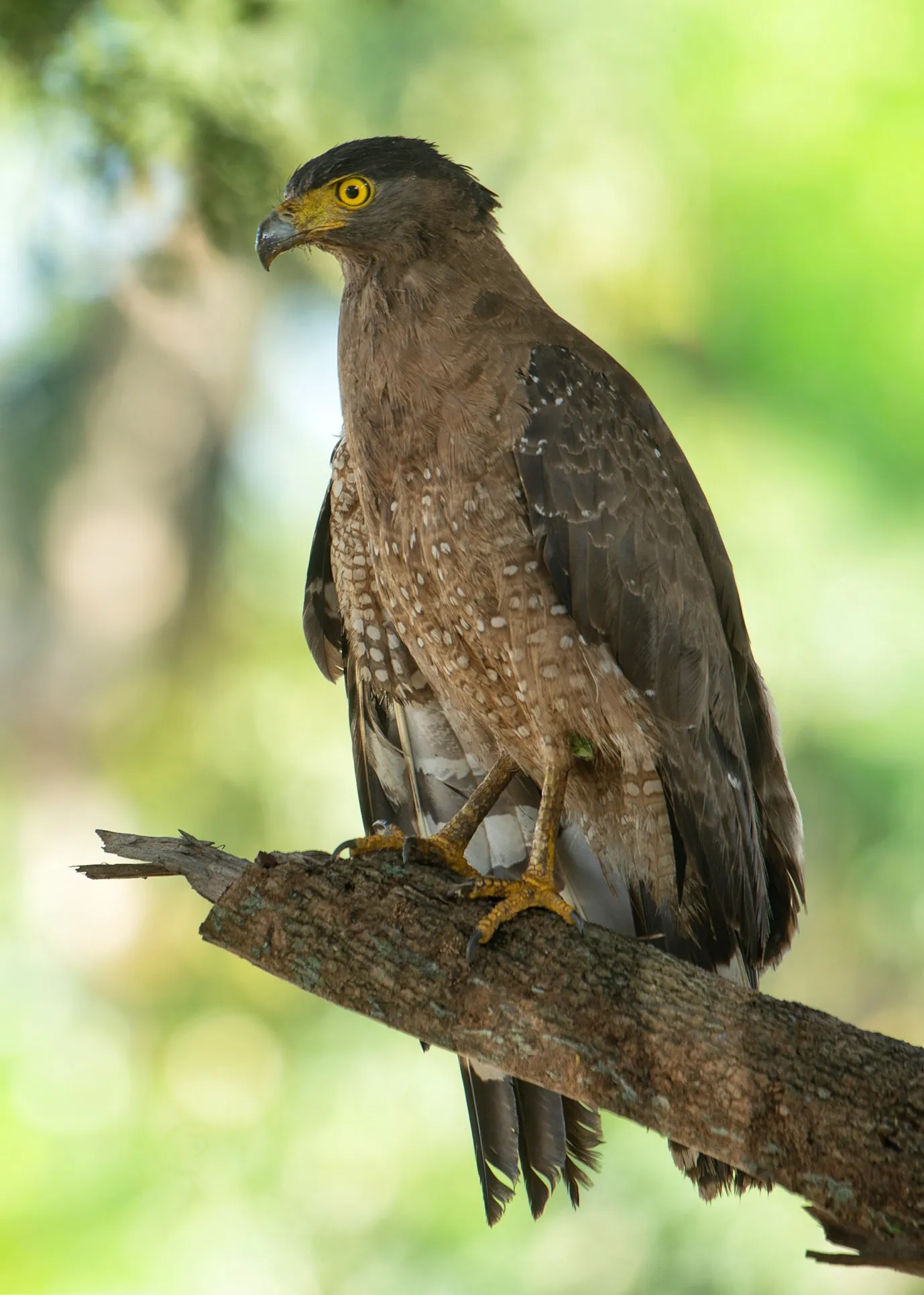
A medium-sized tropical Asian raptor with dark brown upperparts, a barred underbody, a shaggy crest, and bright yellow bare skin around the eyes. Named for its diet of snakes and reptiles, and often announced by a loud two- or three-note whistle.

Tawny-bellied babbler

Tawny-bellied Babbler

Dumetia hyperythra

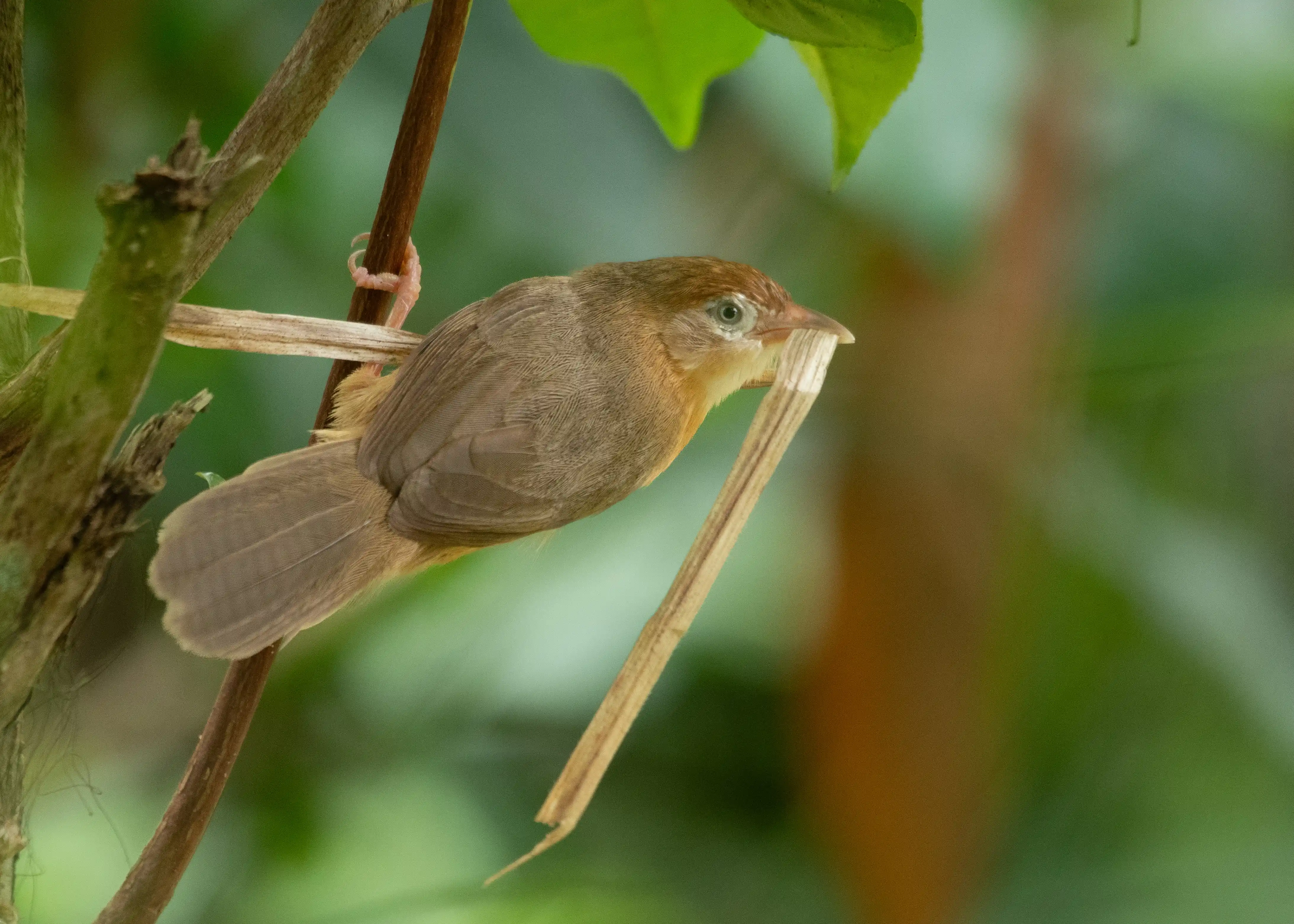
A small understory babbler with an olive-brown back, tawny underside, white throat, and a stout bill. Sri Lanka’s subspecies phillipsi tends to have a paler belly and larger bill than mainland birds.

White-browed bulbul

White-browed Bulbul

Pycnonotus luteolus

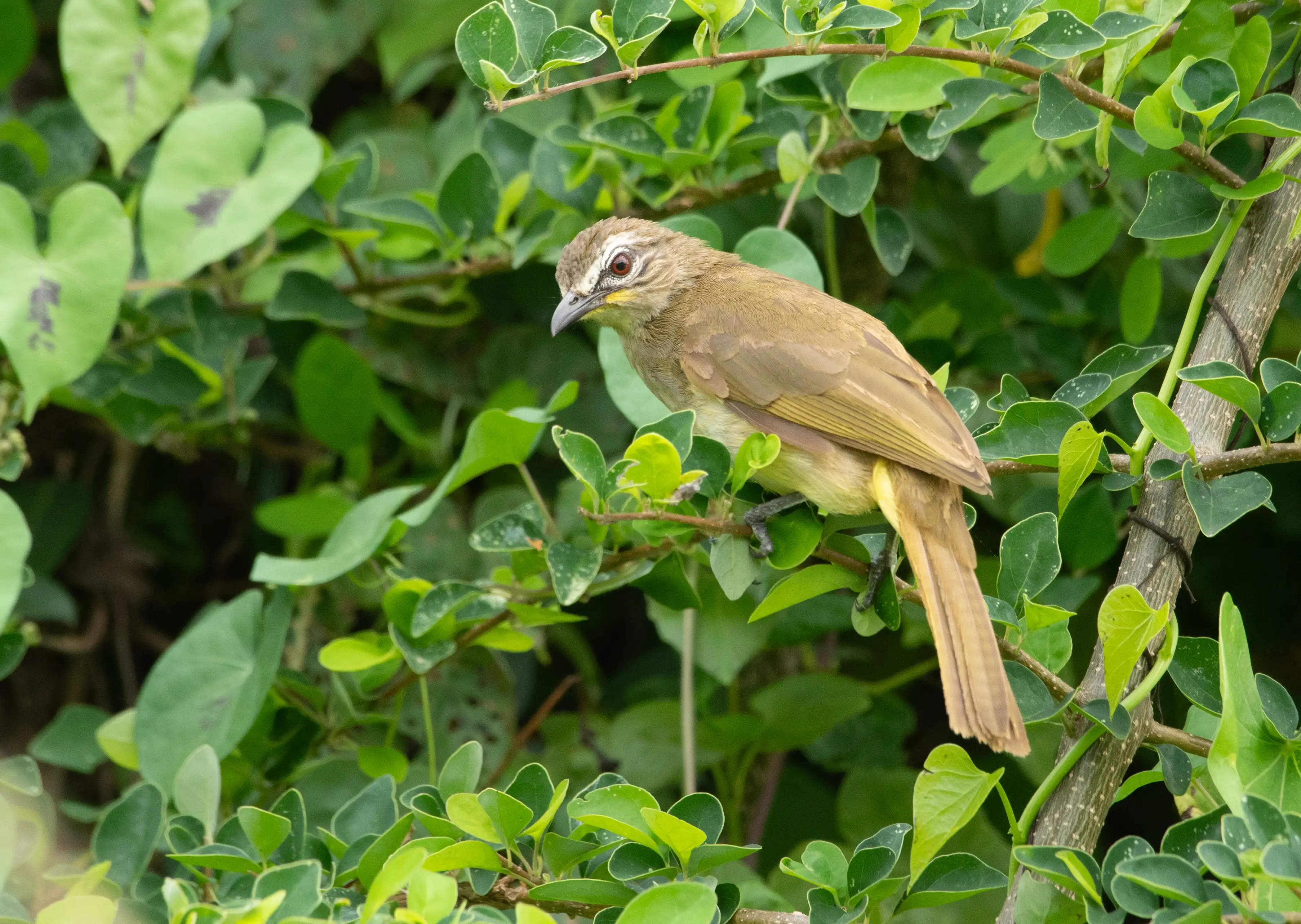
An olive-brown songbird with a pale whitish eyebrow and a bright yellow vent. It skulks in dense scrub across Sri Lanka and peninsular India and is far easier to hear — by its loud cheerful calls — than to see.

Red-vented bulbul

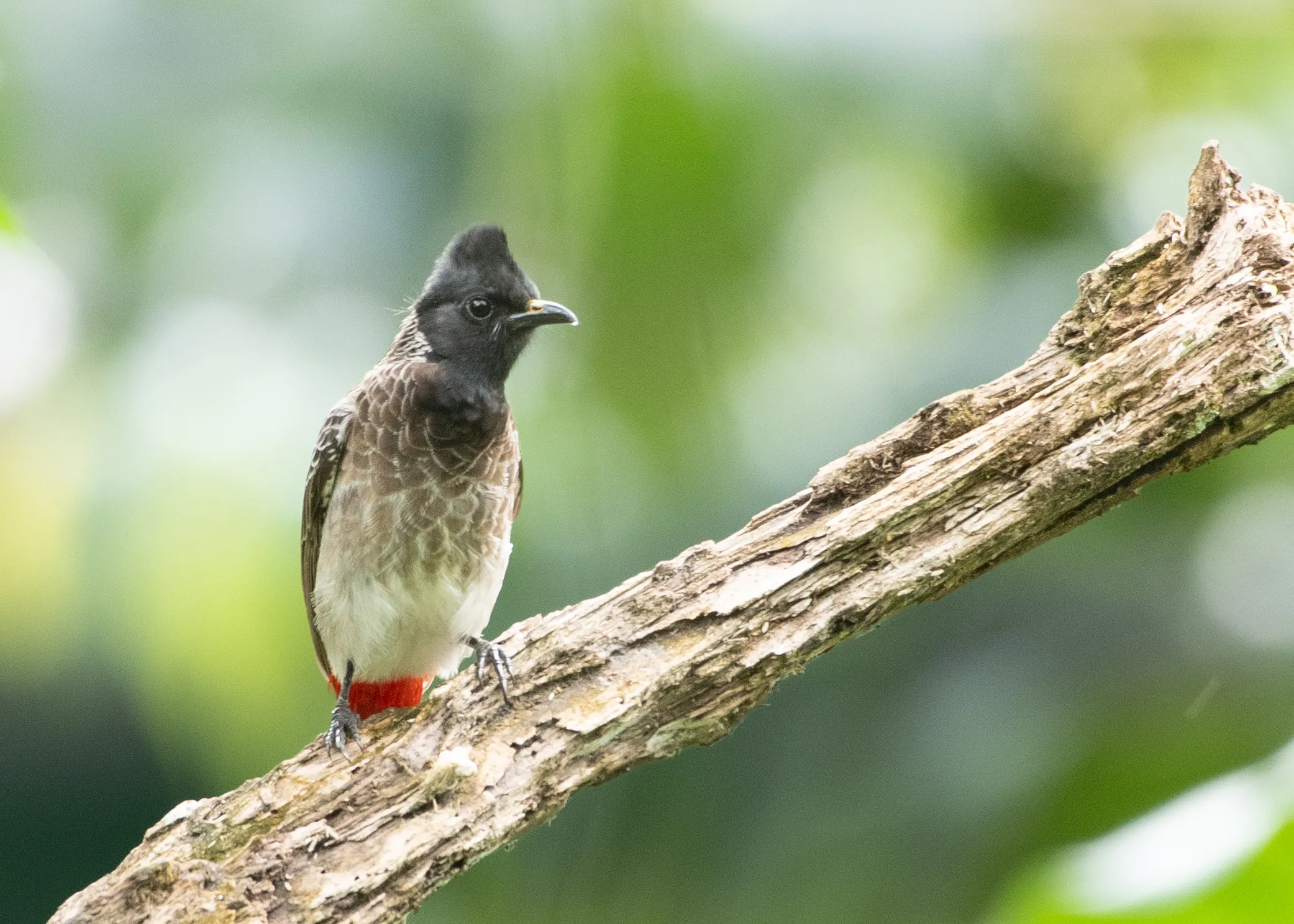
Red-vented Bulbul

Pycnonotus cafer

Recognised by a short dark crest, dark brown scaly plumage, and a bright red vent under the tail. Common in gardens, open forest, and towns across southern Asia, feeding on fruit, nectar, and insects.

Dark-fronted babbler

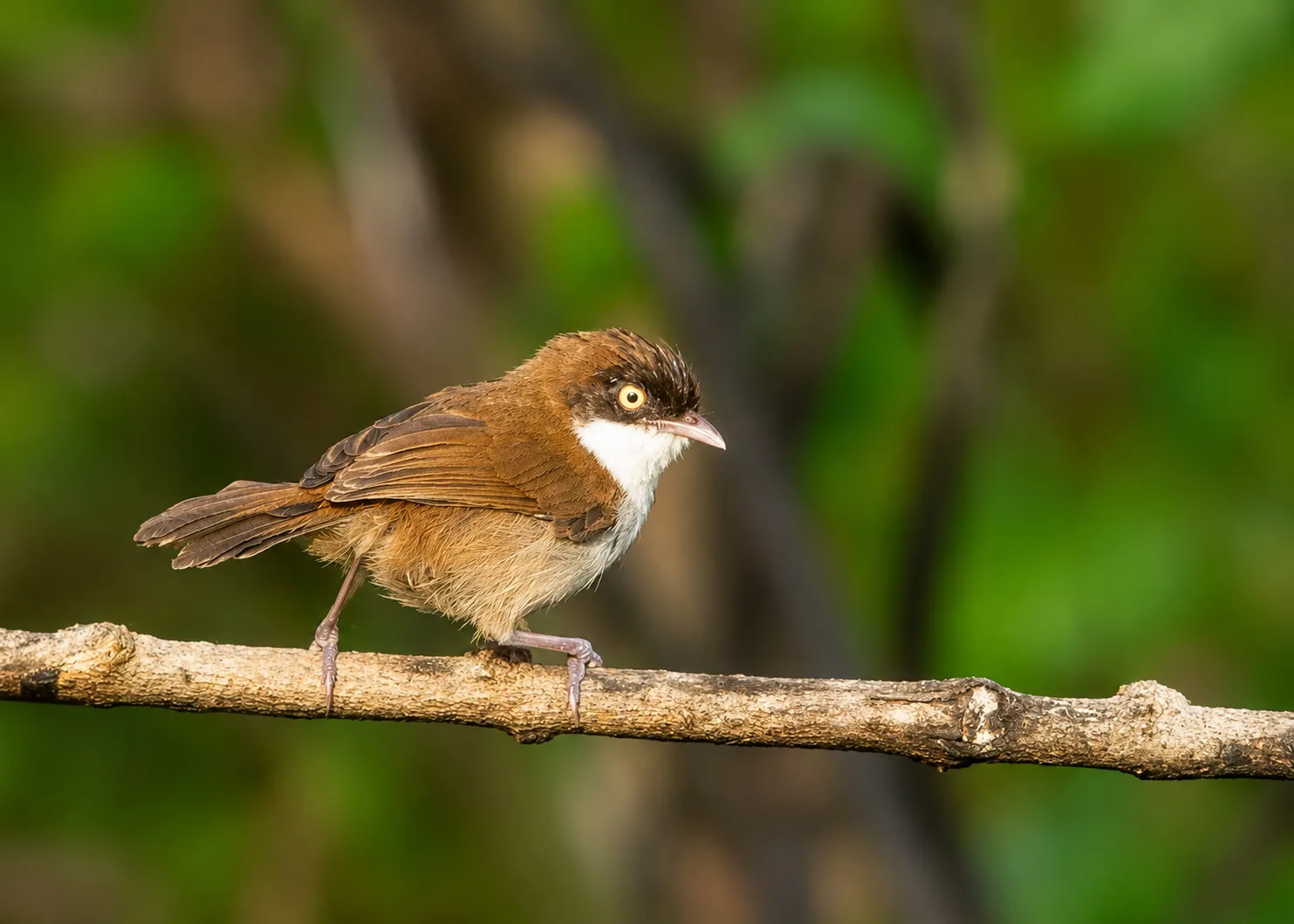
Dark-fronted Babbler

Dumetia atriceps

A small Old World babbler with a jet-black cap, warm chestnut upperparts, whitish underparts, and pale yellow eyes. Travels in noisy flocks near the ground in damp forests of Sri Lanka and India’s Western Ghats.

Plain prinia

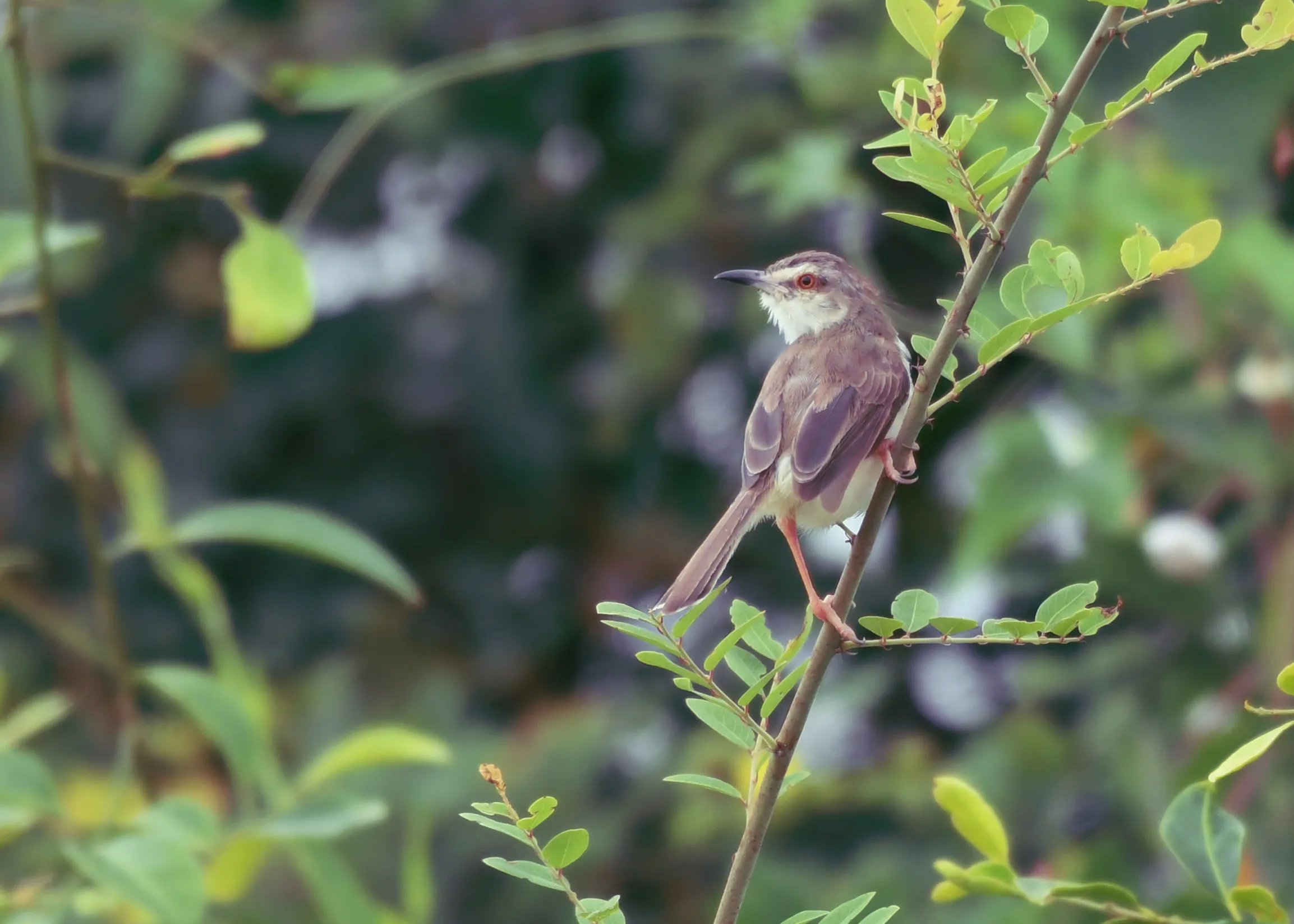
Plain Prinia

Prinia inornata

Also called the white-browed prinia, this small slender brown bird has a long graduated tail, pale underparts, and a clear pale supercilium.

Common myna

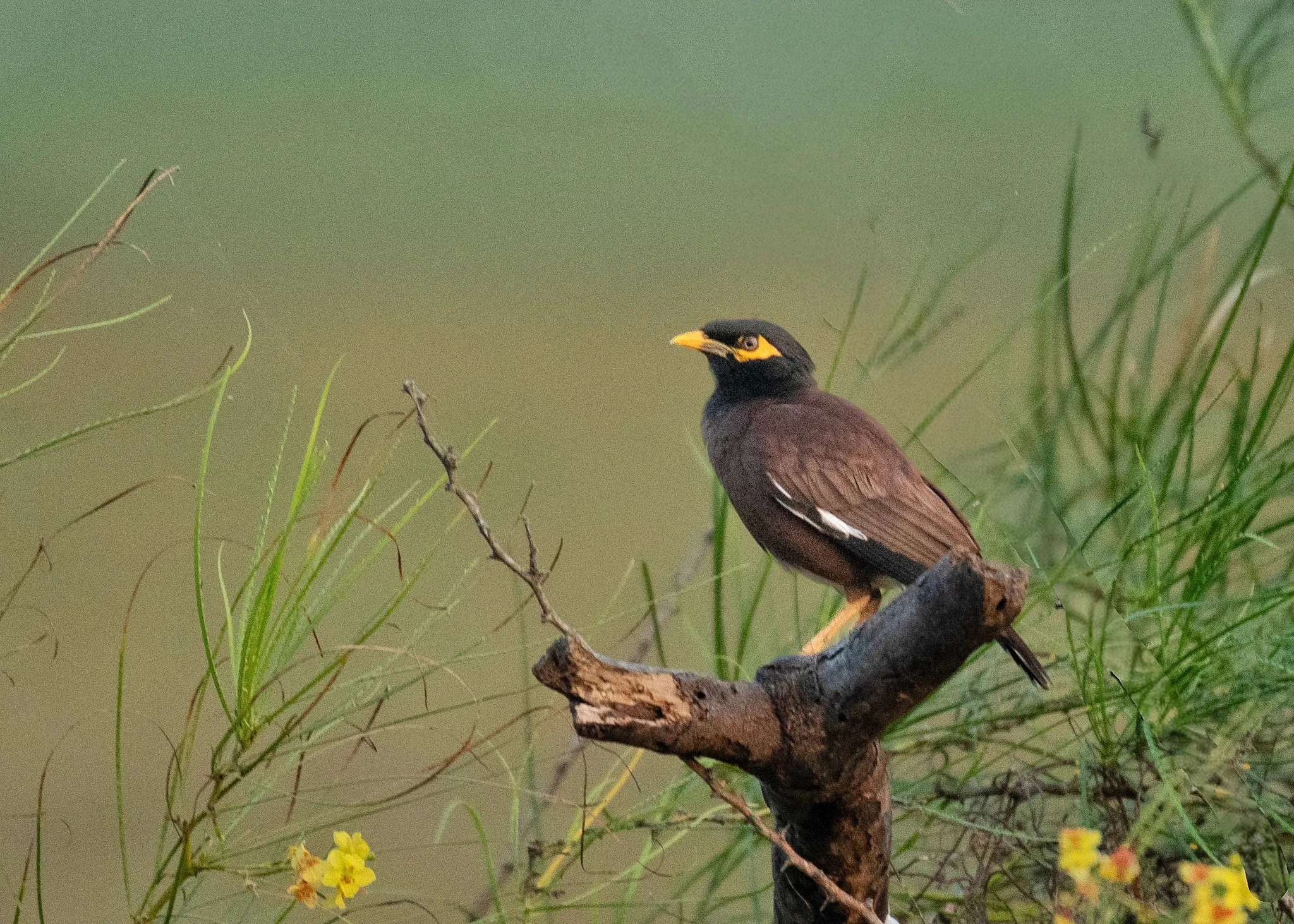
Common Myna

Acridotheres tristis

A social, adaptable bird with a dark brown body, black hood, white wing patches in flight, and bright yellow bill, legs, and eye patch. Common in gardens, farmland, and open woodland across Sri Lanka.

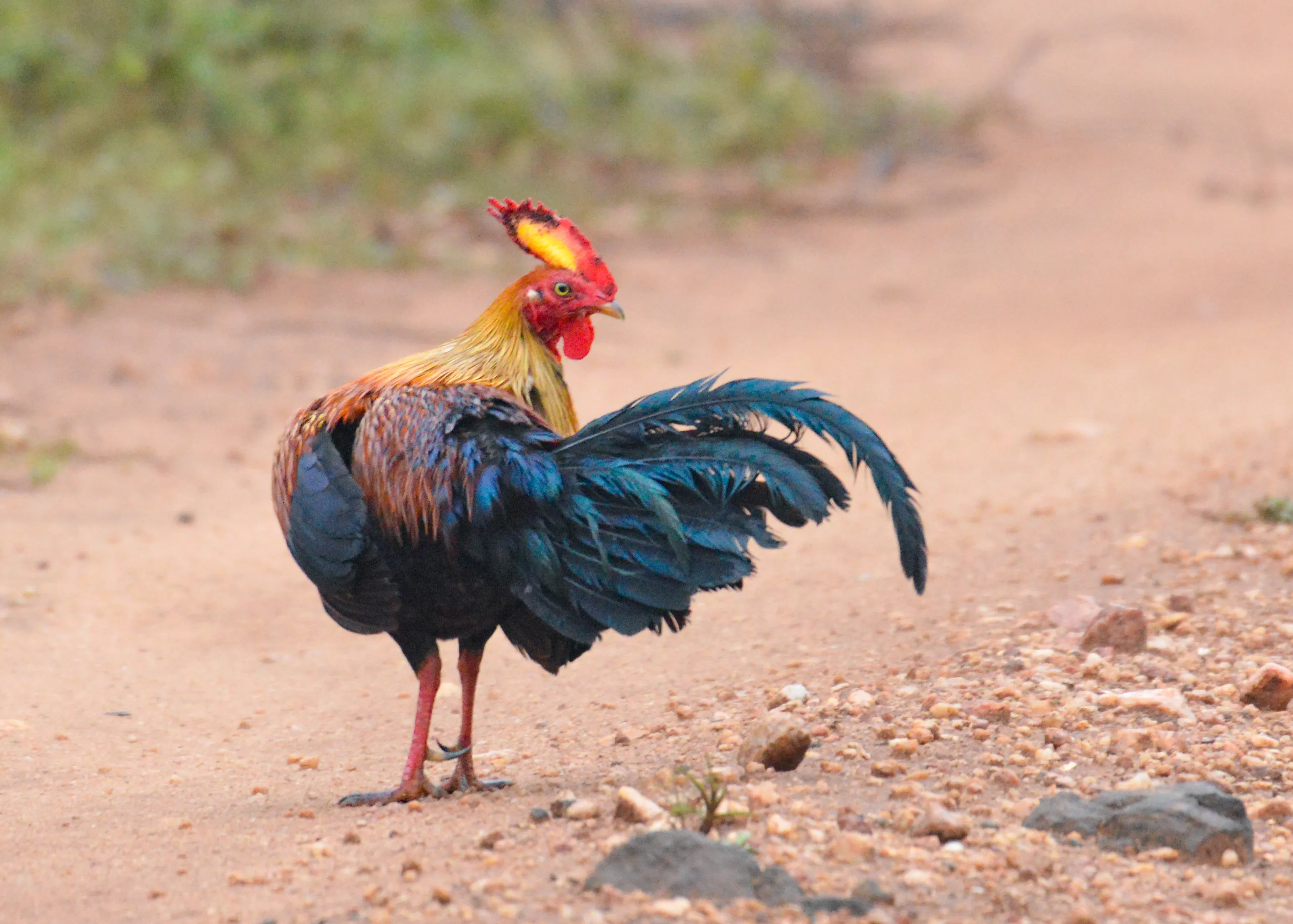
Male Sri Lankan junglefowl, national bird of Sri Lanka

Sri Lankan Junglefowl

Gallus lafayettii

Sri Lanka’s national bird (Wali Kukula), endemic to the island. Males show fiery orange-red and golden plumage, a dark purple-black tail, and a red comb with a yellow centre. They forage on the ground for seeds, fruit, and insects in forest and scrub.

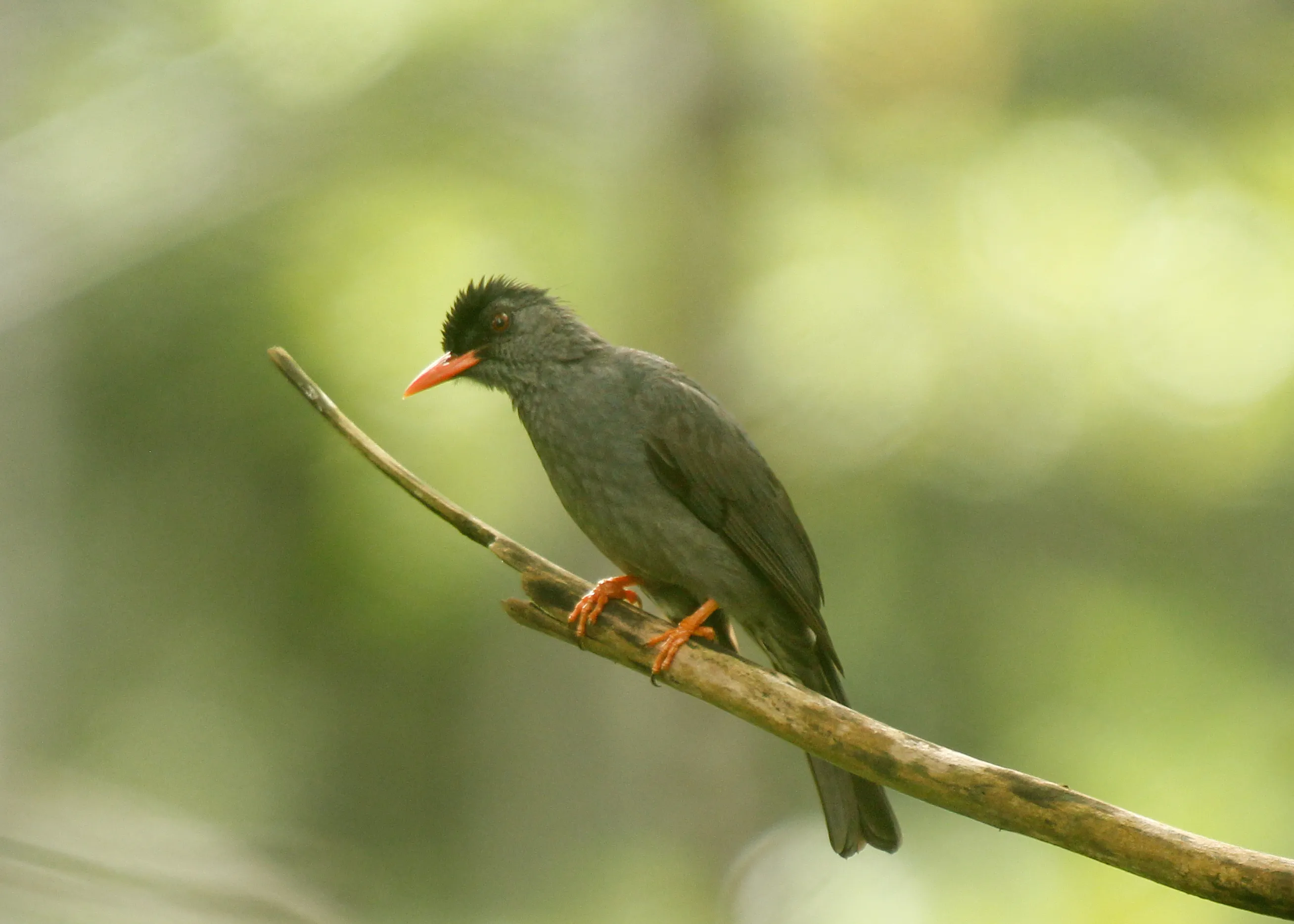
Square-tailed bulbul

Square-tailed Bulbul

Hypsipetes ganeesa

An elegant dark songbird of wet evergreen forest, with a charcoal-grey body, black crest, square tail, bright red bill, and orange-red feet. Feeds on fruit, nectar, and insects, and calls with squeaky whistles and cat-like mews.

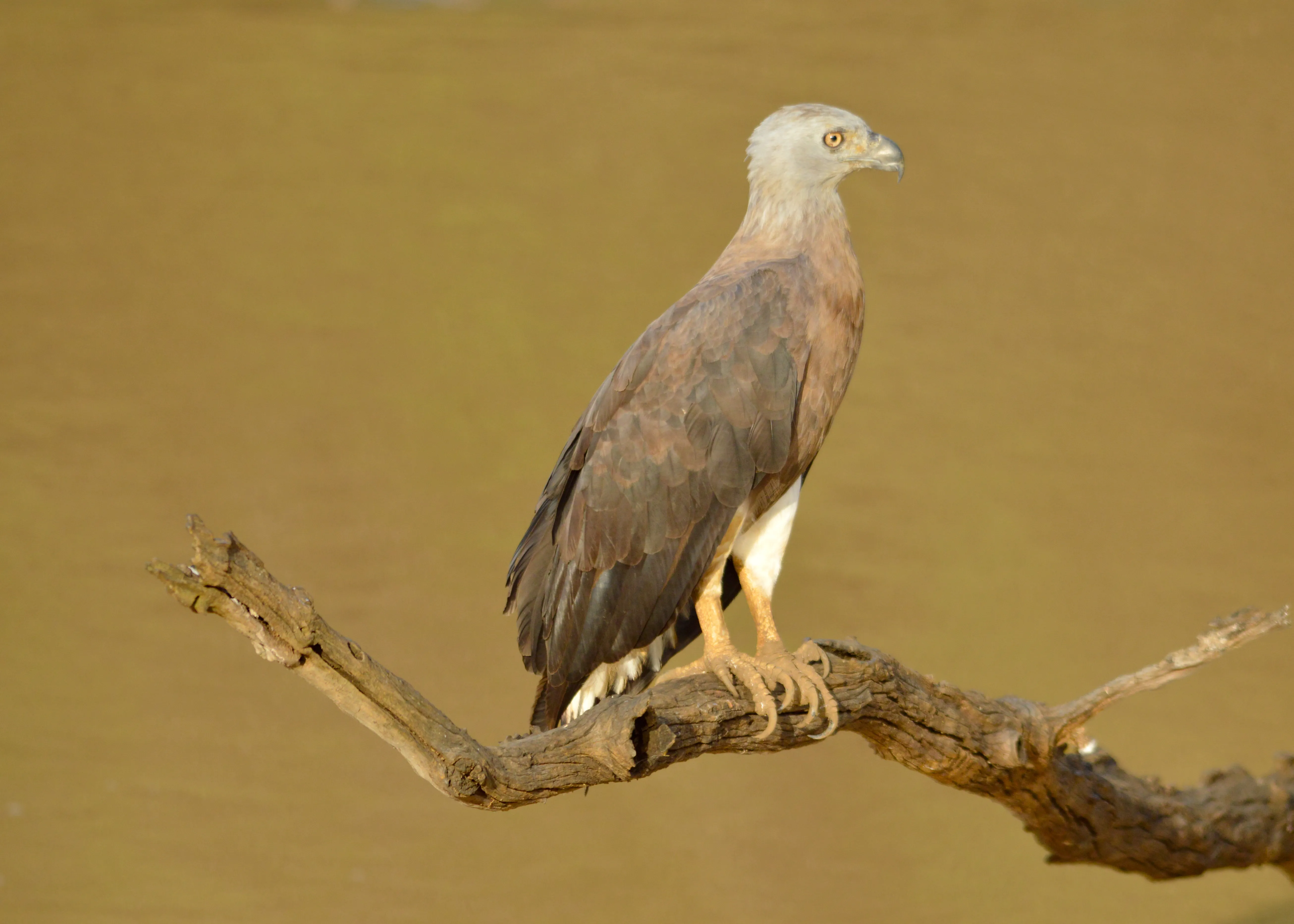
Grey-headed fish-eagle

Grey-headed Fish-Eagle

Ichthyophaga ichthyaetus

A large water-edge raptor with a pale grey head, bright yellow eyes, dark brown upperparts, and a white belly. Strong curved talons help it grip fish; often seen at lakes, rivers, and parks such as Udawalawe, Yala, and Wilpattu.

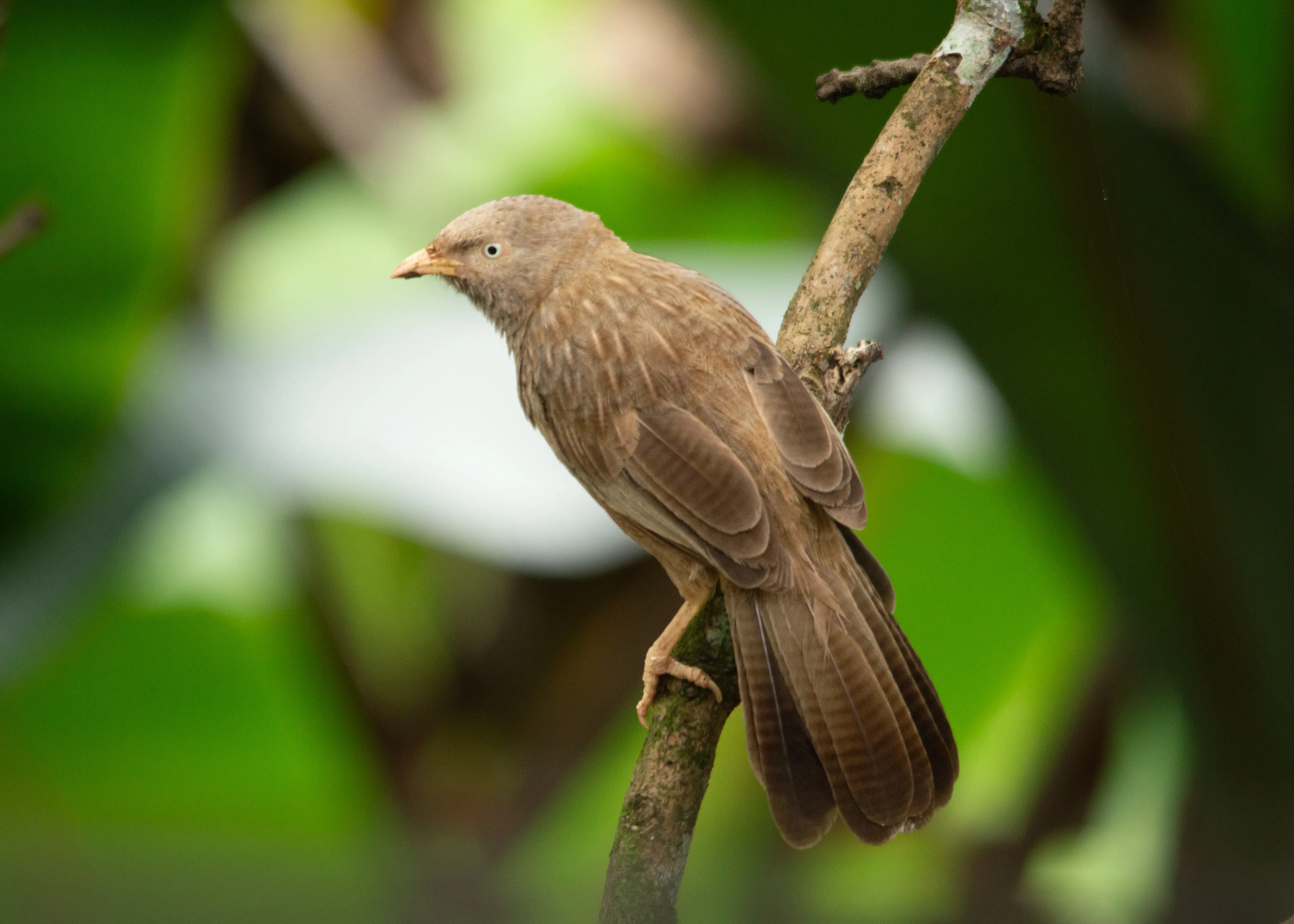
Yellow-billed babbler

Yellow-billed Babbler

Argya affinis

A common resident of Sri Lanka and southern India with dull grey-brown plumage, a pale yellowish bill, and pale eyes. Forages in noisy social groups near the ground in scrub, gardens, and farmland.

Male Indian peafowl displaying its train

Indian Peafowl

Pavo cristatus

The familiar peacock — adult males fan a spectacular train of eye-spotted upper tail coverts. Bright blue neck and head contrast with green, gold, and blue patterns across the display feathers.